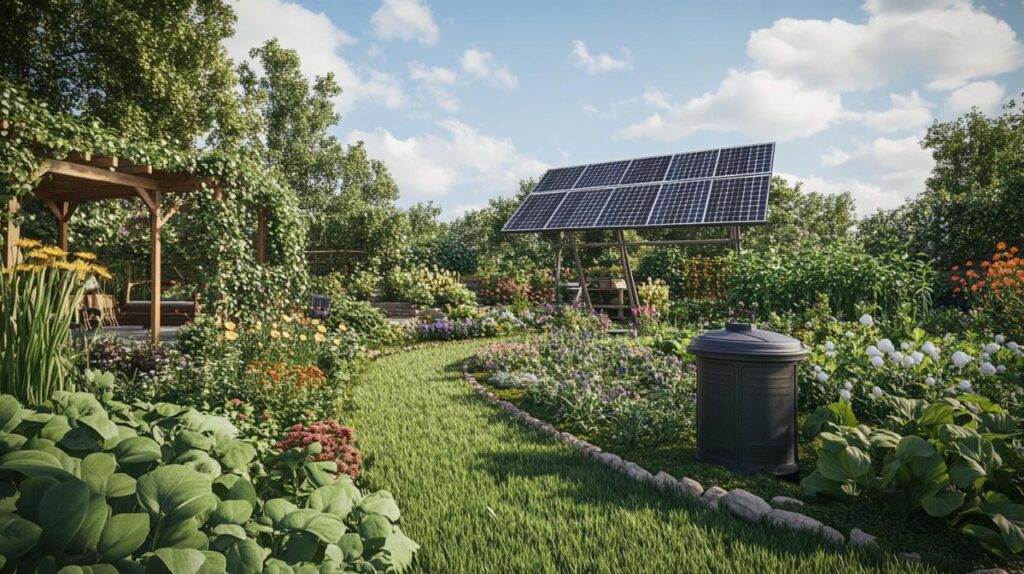
As we navigate the complexities of modern life, making choices that support the environment has never been more urgent. From the food we consume to the way we travel, every decision carries weight in shaping a healthier planet. Embracing a more mindful approach to daily routines not only benefits the earth but also enriches our own well-being and financial stability. The journey towards a greener future is built on small, consistent changes that collectively create a profound impact.
Reducing your carbon footprint through sustainable transport
Transport remains one of the most significant contributors to carbon emissions, yet it also offers some of the most accessible opportunities for change. Rethinking how we move from place to place can dramatically lower our environmental impact while promoting healthier lifestyles. By prioritising alternatives to private car use, individuals can play a direct role in combating climate change and improving air quality in urban areas.
Making the Switch to Public Transport and Cycling
Choosing buses, trains, or trams over personal vehicles is one of the most effective sustainable living tips available to anyone seeking to reduce their carbon footprint. Public transport systems are designed to carry large numbers of passengers, which significantly decreases the per-person emissions compared to single-occupancy cars. Regular use of these services not only cuts down on pollution but also reduces traffic congestion, making cities more liveable for everyone. Cycling offers an even more environmentally friendly option, producing zero emissions while providing excellent physical exercise. Many urban centres across the United Kingdom have invested heavily in cycling infrastructure, making it safer and more convenient to pedal to work or the shops. For shorter journeys, hopping on a bike instead of driving can save money on fuel and parking whilst contributing to cleaner air. Walking remains the most sustainable mode of transport of all, ideal for local errands and daily commutes within reasonable distances. By integrating these methods into weekly routines, individuals can witness tangible reductions in their personal carbon output.
The environmental benefits of car-free living
Eliminating car ownership altogether represents a bold yet increasingly feasible lifestyle choice, particularly in well-connected metropolitan areas. Living without a private vehicle removes the ongoing costs of insurance, maintenance, and fuel, freeing up resources for other priorities. More importantly, it eliminates a major source of carbon emissions from daily life. Research indicates that flying from Bristol to Edinburgh produces a significant carbon footprint, yet frequent car journeys over time can accumulate even greater environmental costs. Car-free living encourages reliance on shared mobility solutions, fostering a sense of community and reducing the demand for parking spaces that often consume valuable urban land. For those who occasionally need a vehicle, car-sharing schemes and rental services provide flexible alternatives without the commitment of ownership. This shift also promotes a cultural change towards valuing access over possession, aligning with broader principles of resource sharing and sustainable consumption. The reduction in road traffic not only lowers carbon emissions but also decreases noise pollution and enhances the overall quality of urban environments.
Water Conservation Strategies for the Modern Household
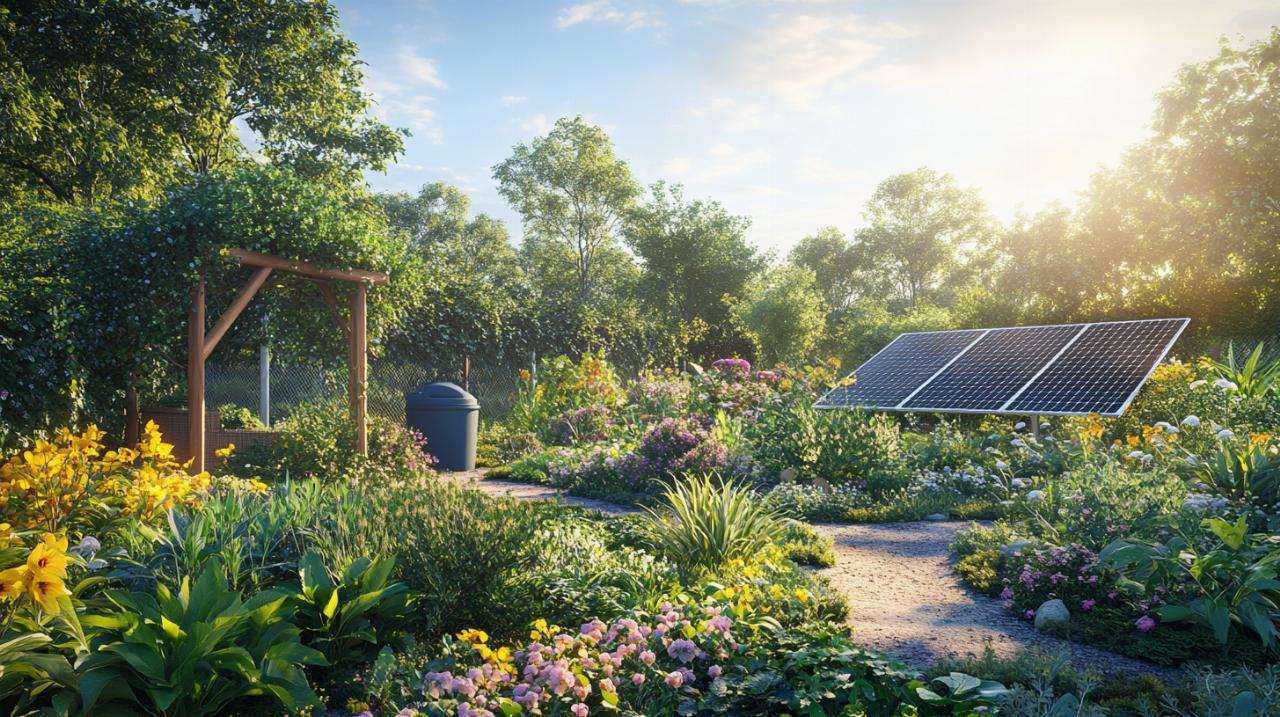
Water is a precious resource that often goes undervalued in daily routines, yet its conservation is critical for environmental sustainability. Households across the country consume vast quantities of water, much of which could be saved through mindful habits and simple upgrades. Addressing water use at home contributes to broader efforts to protect freshwater ecosystems and reduce the energy required for water treatment and distribution.
Simple ways to reduce water consumption daily
One of the most straightforward methods to conserve water is to shorten the time spent in the shower. A few minutes less under the tap can save hundreds of litres over the course of a year without sacrificing hygiene or comfort. Turning off the tap whilst brushing teeth or washing dishes prevents unnecessary wastage, a habit that quickly becomes second nature with a bit of practice. Filling the kettle with only the amount of water needed for a cup of tea or coffee also reduces both water and energy consumption, as less water requires less energy to boil. Installing water-saving devices such as low-flow showerheads and tap aerators can further enhance efficiency without compromising water pressure. These small adjustments accumulate into significant savings, lightening the burden on local water supplies and reducing household utility bills. Collecting rainwater for garden use is another practical step, providing a free and sustainable source for watering plants and lawns. By making these changes routine, families can contribute to a culture of conservation that extends beyond individual homes.
Fixing leaks and installing water-efficient fixtures
Addressing dripping taps and leaking toilets is essential, as even minor leaks can waste thousands of litres annually. A single dripping tap might seem trivial, yet over time it represents a substantial loss of treated water and an avoidable expense on water bills. Repairing leaks promptly not only conserves water but also prevents potential damage to property from prolonged moisture exposure. Modern water-efficient fixtures, such as dual-flush toilets and low-flow taps, are designed to deliver performance whilst using significantly less water than older models. These upgrades often pay for themselves through reduced utility costs within a few years, making them a sound financial investment as well as an environmental one. Households can also consider greywater systems, which recycle water from sinks and showers for use in toilets or irrigation, further extending the life of every drop. Regular maintenance and mindful attention to plumbing systems ensure that water resources are not squandered through neglect. By prioritising these improvements, homeowners demonstrate a commitment to sustainable living that resonates throughout their communities.