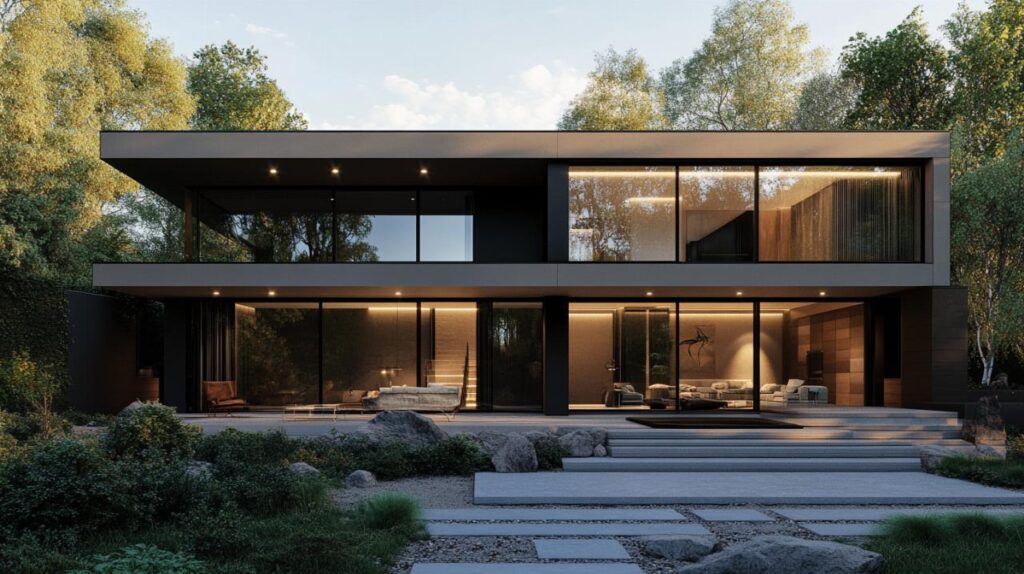
The way we think about our living spaces has shifted remarkably over recent years, with homeowners and designers alike embracing fresh perspectives on what makes a house truly feel like home. From the materials we choose to the technology we integrate, every decision now reflects a deeper understanding of sustainability, comfort, and style. This exploration of contemporary housing and design reveals how innovation and tradition blend seamlessly to create environments that not only look stunning but also support our wellbeing and respect the planet.
Sustainable materials and eco-friendly construction
The conversation around residential architecture has been profoundly influenced by our collective responsibility towards the environment. Builders and architects are increasingly turning to materials that minimise harm whilst maximising durability and aesthetic appeal. This shift is not merely about following a trend but about embedding environmental consciousness into the very fabric of our homes. Reclaimed timber, recycled building components, and natural insulation solutions are now staples in many contemporary projects, reflecting a commitment to reducing waste and lowering carbon footprints.
Reclaimed timber and recycled building components
Using reclaimed timber has become a hallmark of eco-friendly construction, offering both character and sustainability. These materials bring a sense of history and warmth to modern interiors, transforming what might have been discarded into beautiful, functional elements. Recycled building components extend this ethos further, allowing designers to incorporate elements such as reclaimed bricks, salvaged metal, and repurposed fixtures. The beauty of these materials lies not only in their environmental benefits but also in their ability to add unique textures and stories to a home, creating spaces that feel genuinely lived in and thoughtfully curated.
Low-carbon concrete and natural insulation solutions
Innovations in construction materials have led to the development of low-carbon concrete, which significantly reduces the environmental impact traditionally associated with building. This material, alongside natural insulation options such as sheep's wool, hemp, and cellulose, helps create homes that are both energy-efficient and healthier to live in. Triple glazing and advanced insulation techniques work together to maintain comfortable indoor climates, reducing reliance on heating and cooling systems. The integration of renewable energy sources, such as solar panels, further supports the move towards net-zero homes, where energy consumption is balanced by energy generation.
Innovative space-maximising layouts
As urban living spaces become more compact, the challenge of making the most of every square metre has inspired a wave of creative design solutions. Contemporary housing increasingly focuses on flexible, adaptable layouts that respond to the changing needs of modern families. the latest trends demonstrate that small spaces need not sacrifice style or functionality, provided that thoughtful planning and innovative design are at the heart of the project.
Multi-functional rooms and flexible living areas
Gone are the days when rooms served a single, rigid purpose. Today's homes feature multi-functional spaces that can transform throughout the day, from a home office in the morning to a dining area in the evening. This flexibility is achieved through clever furniture design, movable partitions, and adaptive layouts that allow residents to reconfigure their environment according to their immediate needs. Such versatility is particularly valuable in accommodating multi-generational living, where different family members require varying levels of privacy and shared space.
Clever storage solutions and built-in furniture
Maximising storage without compromising on aesthetics is a central concern in contemporary design. Built-in furniture, such as bespoke shelving, under-stair cupboards, and integrated wardrobes, offers practical solutions that blend seamlessly into the architecture of a home. These elements help maintain a sense of order and spaciousness, reducing visual clutter and making rooms feel larger and more inviting. Designers are increasingly viewing storage not as an afterthought but as an integral part of the overall design narrative, ensuring that every nook and cranny serves a purpose.
Open-plan living and indoor-outdoor integration
The desire to create fluid, interconnected living environments has led to the widespread adoption of open-plan layouts. These designs promote social interaction, natural light, and a sense of freedom that traditional, compartmentalised layouts often lack. When combined with thoughtful indoor-outdoor integration, open-plan living transforms the way we experience our homes, blurring the boundaries between interior comfort and the natural world beyond.
Bi-fold doors and expansive glazing
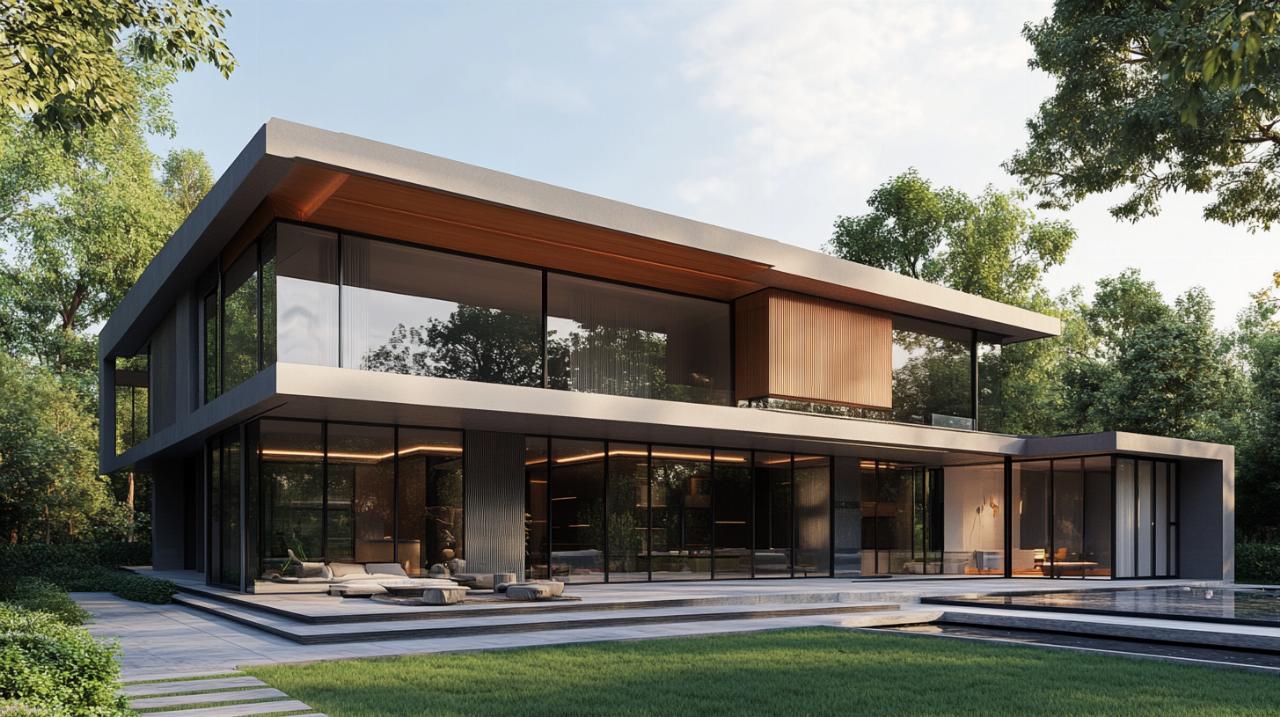
Bi-fold doors and large expanses of glazing are signature features of contemporary residential architecture. These elements invite natural light to flood into living spaces, creating bright, airy environments that feel connected to the outdoors. The ability to open up entire walls allows homeowners to extend their living areas into gardens or terraces, making outdoor spaces an extension of the home itself. This connection not only enhances the aesthetic appeal but also supports wellbeing by fostering a closer relationship with nature.
Seamless transitions between living spaces and gardens
Creating seamless transitions between indoor and outdoor areas requires careful attention to materials, levels, and design continuity. Contemporary architects achieve this by using consistent flooring materials that flow from inside to outside, designing level thresholds, and incorporating landscaping that complements the architectural style of the building. Such integration encourages outdoor living, whether that involves dining al fresco, enjoying a quiet moment in the garden, or simply appreciating the changing seasons from the comfort of one's home.
Smart home technology and automation
Technology has become an invisible yet indispensable part of modern living, with smart home systems offering unprecedented levels of convenience, security, and energy efficiency. The integration of these systems into contemporary housing reflects a broader trend towards homes that anticipate and respond to the needs of their occupants, creating environments that are as intelligent as they are beautiful.
Voice-activated systems and energy management
Voice-activated controls now allow homeowners to manage lighting, heating, and entertainment systems with simple spoken commands. These systems are designed to be discreet, blending into the architecture rather than dominating it, and they contribute significantly to energy management by optimising usage patterns and reducing waste. Artificial intelligence assists in learning household routines, adjusting settings automatically to maximise comfort whilst minimising energy consumption. This level of automation supports the broader goal of creating sustainable, efficient homes that are also wonderfully comfortable to live in.
Integrated security and climate control features
Advanced security systems offer peace of mind through features such as smart locks, surveillance cameras, and motion sensors that can be monitored remotely. Climate control systems, meanwhile, provide precise management of heating, ventilation, and air conditioning, ensuring that every room is maintained at the ideal temperature. These technologies are not only about convenience but also about creating safe, healthy living environments where residents can thrive. The seamless integration of such systems into the fabric of a home ensures that technology enhances rather than intrudes upon daily life.
Modern aesthetics reflecting contemporary lifestyles
The visual language of contemporary housing is characterised by clean lines, natural materials, and a restrained palette that emphasises simplicity and elegance. This aesthetic approach reflects a broader cultural shift towards minimalism, wellness, and a desire for spaces that feel calm and uncluttered. At the same time, there is a growing appreciation for personalisation and craftsmanship, with homeowners seeking to infuse their spaces with unique touches that tell their own stories.
Minimalist design principles and clean lines
Minimalism in contemporary design is not about austerity but about intentionality. Every element is carefully considered, from the choice of furniture to the placement of windows, ensuring that spaces feel balanced and harmonious. Clean lines and uncluttered surfaces create a sense of order and tranquillity, making rooms feel more spacious and inviting. Natural light plays a crucial role in this aesthetic, with large windows and skylights designed to maximise brightness and connect interiors with the outside world. The use of neutral colour palettes, often punctuated by earthy tones or subtle textures, reinforces the sense of calm and allows the architecture itself to take centre stage.
Personalised touches and bespoke interior styling
Whilst minimalism provides a clean canvas, personalisation brings warmth and character to contemporary homes. Bespoke interiors, crafted by skilled artisans, offer homeowners the opportunity to express their individuality through custom furniture, unique finishes, and carefully curated accessories. This blend of modern design principles with personal touches creates spaces that feel both contemporary and deeply personal. The emphasis on craftsmanship and material richness ensures that homes are not only beautiful but also built to last, with every detail reflecting a commitment to quality and care. Whether through the selection of natural finishes, the integration of biophilic design elements, or the choice of statement pieces, homeowners are increasingly seeking to create environments that resonate with their values and lifestyle.