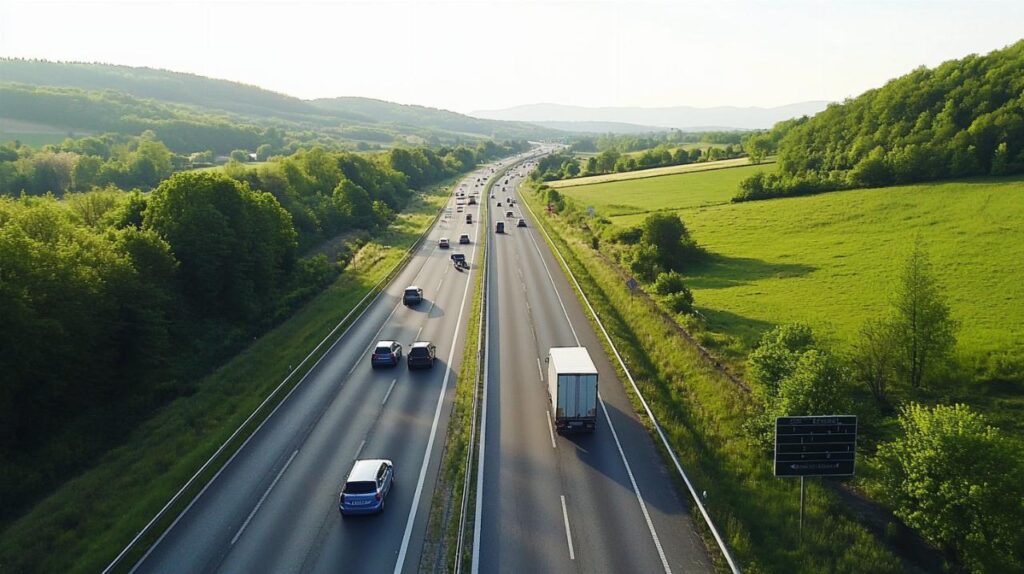
Travelling across France by motorway offers a swift and convenient way to reach your destination, whether you are heading south for the Mediterranean sunshine or navigating the bustling routes around major cities. However, the unpredictability of road conditions, particularly when accidents occur, can turn a smooth journey into a frustrating ordeal. Staying informed with reliable live traffic updates is essential for avoiding delays and ensuring a safer, less stressful experience on French autoroutes. This article explores the strategies and tools available for monitoring traffic conditions around the clock, helping you make informed decisions whenever the unexpected happens.
Essential Digital Tools and Apps for Real-Time French Motorway Traffic Updates
The digital age has transformed how we access information, and traffic updates are no exception. Modern technology harnesses data from a vast network of sensors, cameras, and even input from fellow drivers to deliver accurate and timely insights into road conditions. These digital platforms analyse patterns to predict congestion and alert users to incidents as they unfold, making it easier than ever to plan your route with confidence.
Government-backed traffic information services: bison futé and autoroute info
For those seeking authoritative and comprehensive traffic information, official government websites remain a cornerstone resource. Bison Futé, operated by the French Ministry of Transport, provides detailed forecasts and live updates on motorway conditions across the country. This service is particularly valuable during peak travel periods, such as summer school holidays and weekends, when congestion is most likely to occur. The platform offers colour-coded maps indicating the severity of traffic conditions, helping you identify potential bottlenecks and plan alternative routes accordingly. Autoroute Info is another government-backed resource that focuses specifically on the toll motorway network, delivering real-time updates on incidents, roadworks, and estimated travel times. Both platforms are freely accessible and designed to support drivers in making informed decisions, whether you are embarking on a long-distance journey or navigating a familiar commute.
Mobile Applications and GPS Navigation Systems for Instant Accident Alerts
In addition to official websites, a growing number of mobile applications and GPS navigation systems have emerged to cater to the needs of modern travellers. These tools offer the advantage of portability, allowing you to receive updates on the go without needing to stop and consult a desktop computer. Many apps provide detailed maps with customisable route options, enabling you to adjust your journey based on current conditions. Traffic updates are often delivered in real time, with notifications alerting you to accidents, roadworks, or unexpected delays ahead. Some applications integrate user-generated reports, creating a collaborative network where drivers share observations about hazards, congestion, or changes in road conditions. This crowdsourced approach enhances the accuracy and immediacy of the information, ensuring you are always one step ahead. GPS systems installed in vehicles also frequently include live traffic features, displaying warnings directly on your dashboard and suggesting alternative routes to bypass problem areas. The convenience and accessibility of these tools make them indispensable for anyone seeking to navigate French motorways with ease.
Understanding french motorway traffic management during major incidents
When a significant incident occurs on a motorway, the response from traffic management authorities is swift and coordinated. Understanding how these systems operate can help you appreciate the measures in place to minimise disruption and ensure safety for all road users. The French approach to incident management combines technology, communication, and strategic planning to keep traffic moving as smoothly as possible.
How french authorities coordinate emergency response and traffic diversions
The moment an accident is reported, emergency services spring into action, working in tandem with traffic management centres to assess the situation and implement appropriate measures. This coordination involves multiple agencies, including police, fire services, medical teams, and motorway operators. Real-time data from road sensors and cameras allows authorities to monitor the scene remotely, determining the severity of the incident and the likely impact on traffic flow. Once the situation is under control, diversions are established to redirect vehicles away from the affected area. These diversions are carefully planned to distribute traffic across alternative routes, reducing the risk of secondary congestion. Information about diversions is communicated through variable message signs, radio broadcasts, and digital platforms, ensuring drivers receive timely guidance. The efficiency of this response system is a testament to the infrastructure and expertise underpinning French motorway management.
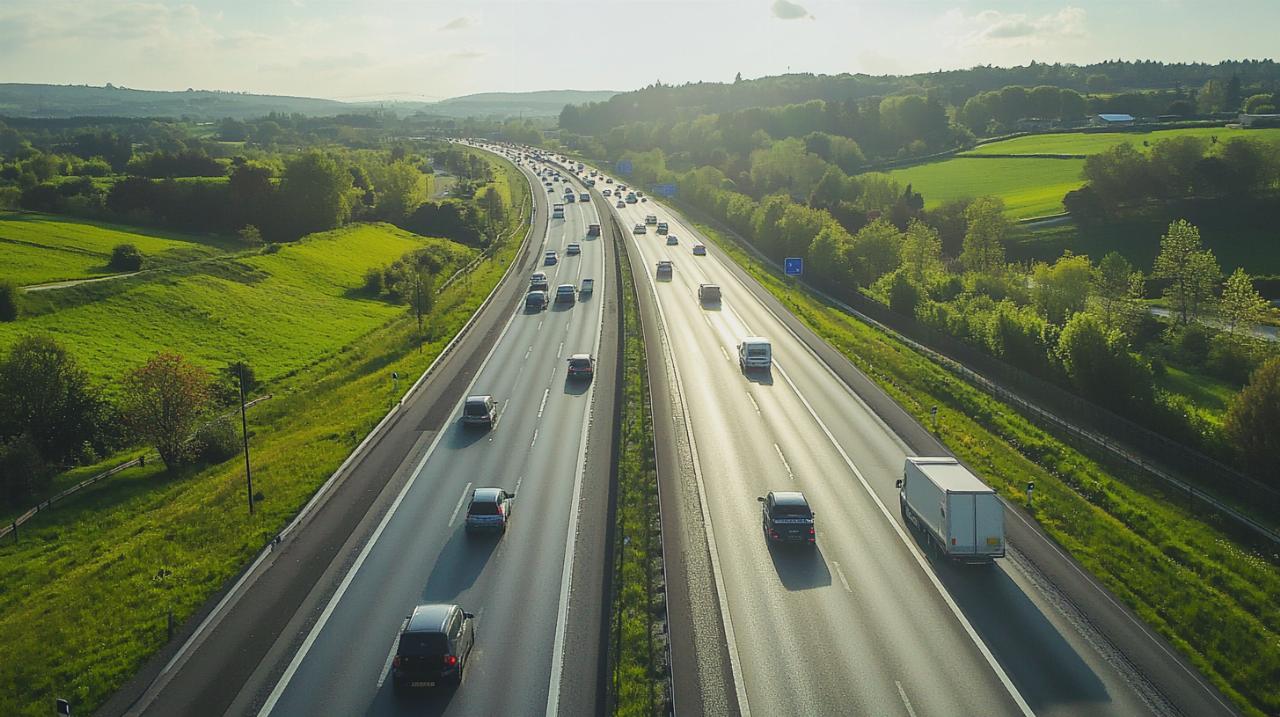
Variable Message Signs and Alternative Route Planning on Autoroutes
Variable message signs are a ubiquitous feature of French motorways, providing dynamic updates on traffic conditions, speed limits, and hazards. These electronic displays are strategically positioned along major routes, ensuring drivers have access to critical information well in advance of potential delays. When an accident occurs, the signs are updated to warn approaching vehicles, advise on reduced speed limits, and suggest alternative routes where appropriate. This system is particularly effective during major incidents, where early notification can prevent vehicles from joining already congested stretches of road. Planning alternative routes is a key strategy for avoiding delays, and French motorways offer several options for doing so. Routes nationales and routes bis are designated alternatives that bypass heavily trafficked areas, offering a scenic and often more relaxed driving experience. For instance, the A26 motorway provides a viable detour around the Paris ring road, reducing the likelihood of becoming entangled in urban congestion. Similarly, toll-free sections such as the A16 to A28 between Calais and Rouen, or the A84 from Caen to Rennes, present cost-effective and efficient alternatives for long-distance travel. Familiarising yourself with these options before setting out can save valuable time and reduce stress when the unexpected occurs.
Practical Tips for Monitoring Traffic Conditions Around the Clock
Staying ahead of traffic disruptions requires a proactive approach, and there are several strategies you can employ to ensure you remain informed at all times. From setting up personalised alerts to tuning into radio broadcasts, these practical tips will help you navigate French motorways with confidence, no matter the time of day or night.
Setting up personalised alerts for your regular french motorway routes
One of the most effective ways to stay informed is to configure personalised alerts tailored to your specific travel patterns. Many mobile apps and traffic information platforms allow you to input your regular routes, triggering notifications whenever an incident or significant delay is detected. This feature is particularly useful for commuters or frequent travellers who rely on the same stretches of motorway. By receiving alerts directly to your smartphone, you can adjust your departure time or choose an alternative route before setting out, avoiding the frustration of discovering congestion only after you are already on the road. Customisable notifications ensure that you receive only the information relevant to your journey, reducing unnecessary distractions while keeping you fully informed of conditions that might affect your plans. Investing a few minutes in setting up these alerts can make a substantial difference to the efficiency and comfort of your travels.
Radio Stations and Social Media Channels for Live Traffic Broadcasting
Despite the dominance of digital platforms, traditional radio remains a valuable source of live traffic information, particularly when you are already behind the wheel and unable to consult a screen. Several French radio stations provide regular traffic bulletins, offering updates on motorway conditions, accidents, and diversions. These broadcasts are especially useful during peak travel times, when incidents are more likely to occur and congestion is at its worst. Tuning into a local station as you approach your route can provide last-minute insights that help you make quick decisions. Social media channels have also become an increasingly popular medium for sharing real-time traffic updates. Official accounts operated by motorway authorities, police forces, and traffic information services post frequent updates on incidents, roadworks, and delays. Engaging with these channels allows you to access information quickly and even contribute your own observations, helping to build a broader picture of current conditions. The immediacy and accessibility of social media make it a powerful tool for staying connected to the latest developments on French motorways.
Encountering an accident or incident while driving can be unsettling, but knowing how to respond appropriately can make all the difference. Reducing your speed as you approach the scene, activating your hazard lights, and moving to a safe area away from moving traffic are essential steps to protect yourself and others. French law requires drivers to carry a high-visibility jacket and a warning triangle, and failing to use these items when necessary can result in fines reaching one hundred and thirty-five euros. If you need to call for assistance, the European emergency number is one one two, and English-speaking operators are available to help. By combining these safety measures with the wealth of traffic information tools at your disposal, you can navigate French motorways with confidence, ensuring a safer and more enjoyable journey for everyone on the road.