
In workplaces across the United Kingdom, employees encounter a vast range of substances every single day — from the cleaning fluids used in offices to the industrial solvents found on factory floors. Many of these substances carry genuine risks to health, and without proper guidance, those risks can go unmanaged. That is precisely why COSHH, the Control of Substances Hazardous to Health regulations, exists: to establish a clear framework that protects workers and ensures employers fulfil their duty of care.
The essentials
- COSHH regulations provide a legal framework for managing the health risks associated with a wide range of hazardous substances in UK workplaces, including liquids, dusts, and biological agents.
- The scope of COSHH is broad and applicable to almost every industry, though it excludes specific substances like asbestos, lead, and radioactive materials governed by separate laws.
- Neglecting workplace health leads to significant human and financial costs, with thousands of annual deaths and illnesses linked to harmful working conditions.
- Employers are legally obligated to conduct risk assessments, implement control measures, provide safety training, and offer personal protective equipment to all exposed staff.
- The hierarchy of control measures prioritizes substituting hazardous substances with safer alternatives, followed by engineering solutions and, finally, the use of protective equipment.
- Regular monitoring, emergency preparedness, and the use of standardized hazard symbols are essential components for maintaining effective chemical safety and regulatory compliance.
What COSHH Covers and Why It Matters in the Workplace
Understanding COSHH begins with recognising the sheer breadth of what it governs. Far from being limited to obviously dangerous industrial chemicals, the regulations apply to a wide spectrum of substances encountered in everyday working environments. Liquids, solids, fumes, dusts, vapours, biological agents and even nanomaterials all fall within its scope, making regulatory compliance relevant to virtually every sector — from healthcare and catering to construction and manufacturing. It is worth noting that lead, asbestos and radioactive substances are governed by separate regulations and do not fall under COSHH directly.
The human cost of neglecting workplace health is substantial. Figures from third-party sources indicate that around 13,000 people die each year from fatal diseases linked to harmful working conditions, whilst hundreds of thousands more suffer from work-related ill health annually. Beyond the human toll, the financial impact is equally striking: workplace injury and illness has been estimated to cost billions of pounds each year. These figures underscore why chemical safety and hazardous substances management are not merely administrative obligations but genuine moral imperatives.

The key categories of hazardous substances under coshh
COSHH covers an extensive range of materials. Biological agents such as bacteria and viruses are included alongside more commonly discussed chemical hazards. Cleaning products, paints, solvents and dusts from cutting or grinding all qualify as hazardous substances under the framework. Employers and workers alike should familiarise themselves with the nine hazard symbols used to identify these materials, as these symbols communicate critical information about toxicity, corrosiveness, environmental impact and other dangers at a glance, making substance identification far more accessible on the shop floor or in the storeroom.
Employer Duties and Worker Rights Within the COSHH Framework
The COSHH regulations place clear responsibilities on employers. They must assess the risks posed by hazardous substances, implement appropriate control measures, provide suitable personal protective equipment, and ensure that health surveillance is carried out for employees who are regularly exposed to harmful materials. Safety training is not optional — it is a legal requirement for all staff who may come into contact with such substances. Employees, for their part, are expected to cooperate with these measures and wear the correct PPE at all times. Importantly, self-employed individuals are also required to comply with COSHH regulations, broadening the reach of this legislation considerably. Breaches can result in unlimited fines, making compliance a matter of serious financial as well as ethical concern.
Common Workplace Chemicals and the Risks They Pose Under COSHH
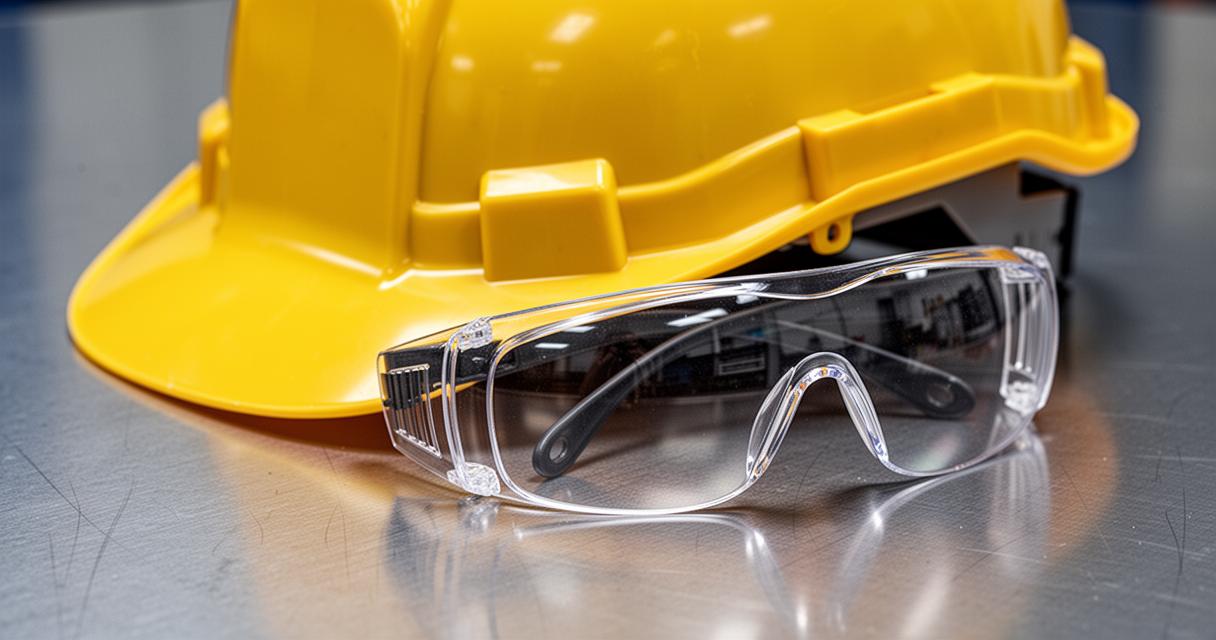
The range of chemicals found in a typical British workplace is remarkably diverse, and so too are the risks they present. Understanding which substances require attention — and why — is the first step towards effective workplace safety.
From cleaning agents to industrial solvents: identifying everyday hazards
Many of the most common hazardous substances are those encountered in routine tasks. Cleaning chemicals used in offices, hospitals and food preparation areas can cause workplace health problems ranging from skin irritation to respiratory damage if used without adequate precautions. Industry-specific data indicates that around 7,000 new cases of work-related skin conditions are self-reported annually, many of which are linked to contact with chemical agents. Solvents used in paints, adhesives and degreasers present inhalation risks, particularly in poorly ventilated spaces. Carbon dioxide, too, presents general hazards in certain workplace environments where it can accumulate to dangerous concentrations. Across all these examples, exposure limits — known formally as workplace exposure limits — have been established to help employers gauge when concentrations of a substance become unacceptably hazardous.
How to Carry Out a COSHH Assessment and Manage Chemical Risks Effectively
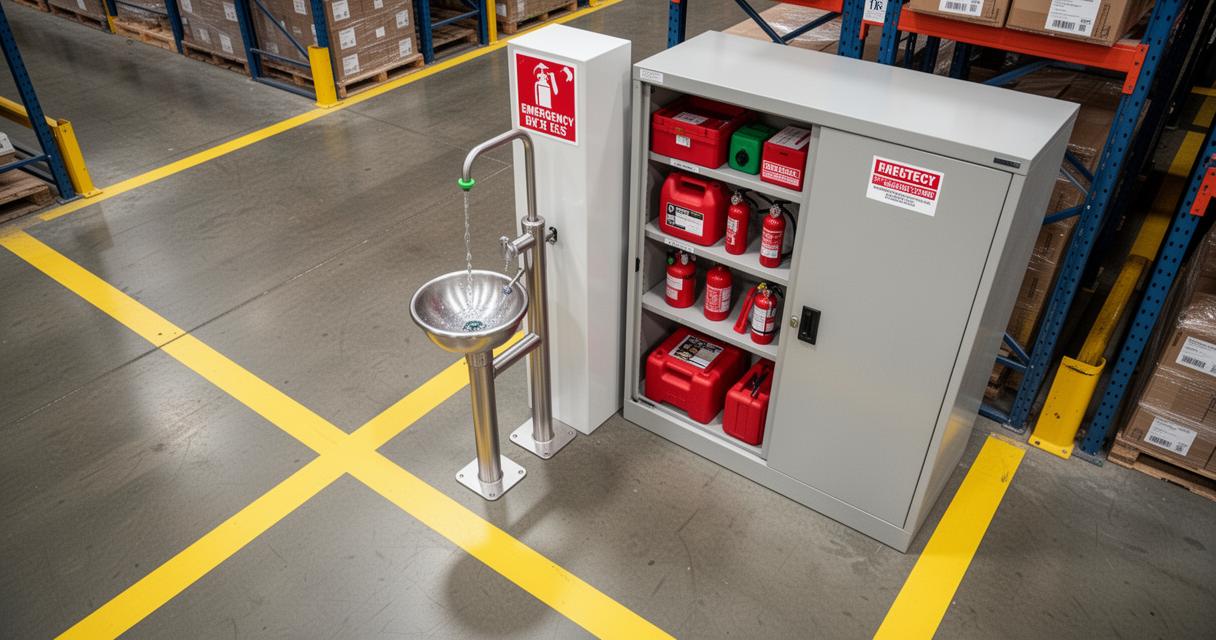
A thorough risk assessment lies at the heart of any COSHH compliance programme. Employers should begin by identifying all substances used or produced in the workplace, consulting chemical safety data sheets which provide essential information about hazards, safe handling chemicals procedures and emergency responses. Once risks have been identified, a hierarchy of control measures should be applied. Substituting a hazardous substance with a safer alternative is always the preferred approach. Where substitution is not practicable, engineering controls such as ventilation systems and fume extraction equipment should be installed. Personal protective equipment such as gloves, respirators and protective eyewear serves as a final layer of defence rather than a first resort.
Emergency preparedness is another vital component of COSHH management. Employers must ensure that staff know how to respond to spills, leaks or accidental exposure, and in some circumstances, permits to work may be required before handling particularly dangerous materials. Regular monitoring is essential to confirm that control measures remain effective over time, and ongoing safety training keeps employees informed and confident in their responsibilities. By embedding these practices into everyday working life, businesses not only achieve regulatory compliance but also foster a culture of genuine care for the people who make up their workforce.