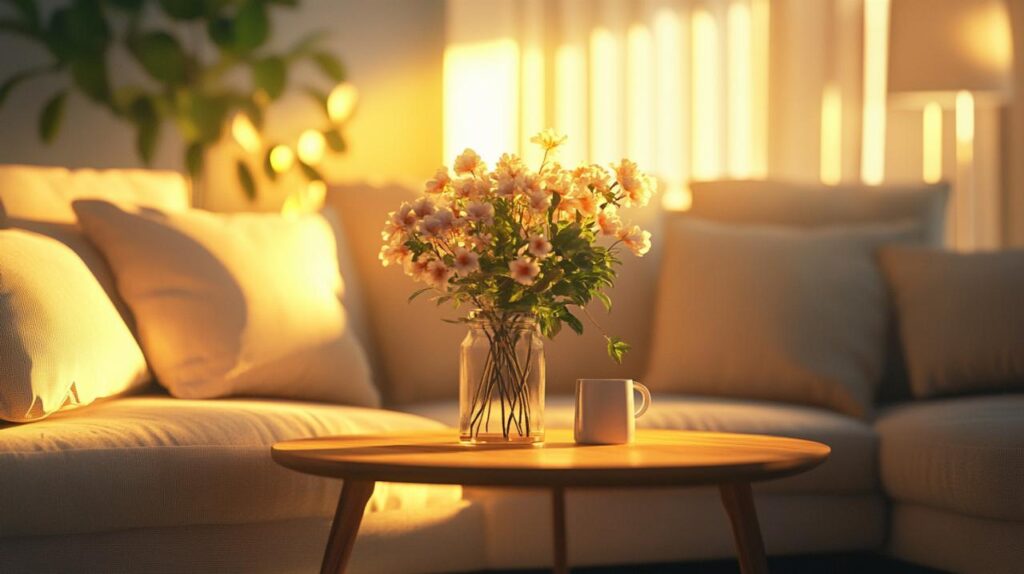
Modern family life demands more than simply maintaining a tidy household. It requires creating a space where every member feels valued, where guests sense genuine warmth upon arrival, and where daily activities flow with ease and purpose. Transforming your home into a welcoming centre involves thoughtful consideration of both physical spaces and the intangible qualities that make a house truly feel like a sanctuary for all who enter.
Creating a Heartfelt Reception Space: The Foundation of Family Hospitality
The entrance to your home sets the tone for everything that follows. Whether you live in a sprawling estate or a modest flat, the way visitors and family members experience those first moments upon crossing your threshold speaks volumes about the values you hold dear. A welcoming entry point does not require grand architectural features or expensive renovations. Rather, it demands attention to the small details that communicate care and consideration. Natural lighting plays a crucial role in this transformation, as it enhances mood and creates an immediate sense of openness. Where possible, maximise the light entering your hallway through strategic placement of mirrors or by choosing window treatments that allow sunshine to filter through whilst maintaining privacy.
Designing Entry Points That Embrace Visitors with Warmth and Comfort
The physical design of your reception area should balance practical functionality with aesthetic appeal. Smart storage solutions positioned near the entrance allow coats, shoes, and bags to be tucked away without creating visual clutter that can make even generous spaces feel cramped and unwelcoming. Consider incorporating comfortable furniture that invites a moment of pause, a place where children can sit to remove their shoes or where an elderly visitor might rest briefly upon arrival. Indoor plants positioned strategically near entry points bring life and vitality to these transitional spaces, connecting the outside world with the sanctuary within. The colours and design elements you select for these areas should reflect your family's personality whilst remaining neutral enough to avoid overwhelming first impressions.
Establishing Daily Routines That Foster a Nurturing Atmosphere for Children and Guests
Beyond the physical arrangement of furniture and décor, the true warmth of a welcoming home emerges from the routines and habits that govern daily life. Families who successfully create nurturing environments often establish rituals that mark comings and goings with intention. This might involve a dedicated spot where children display their artwork, creating personalised spaces that celebrate individual achievements whilst contributing to the collective identity of the household. The kitchen often serves as the heart of family life, and thoughtful upgrades to its functionality can enhance the joy found in shared meals and conversations. When visitors arrive, they should sense that your home operates with a rhythm that accommodates both structure and spontaneity, where unexpected guests can be absorbed into the flow of daily activities without causing disruption or stress.
Practical Organisation Systems for Busy Households: From Historical Wisdom to Contemporary Solutions
The art of household management has evolved considerably over the centuries, yet certain fundamental principles remain constant. Historical figures understood that a well-ordered home required more than occasional tidying. From the 12th century onwards, domestic guides offered wisdom about maintaining harmonious living spaces that accommodated multiple generations and frequent visitors. Even Voltaire, known primarily for his philosophical contributions, recognised the importance of domestic organisation in supporting intellectual and creative pursuits. These time-honoured approaches to household management continue to offer valuable insights for contemporary families navigating the complexities of modern life.
Time-Honoured Approaches to Household Management Inspired by Centuries of Domestic Tradition
Decluttering remains one of the most effective strategies for creating spaces that feel expansive and welcoming rather than cramped and chaotic. The principle itself is ancient, rooted in the understanding that accumulated possessions can weigh down both physical spaces and mental wellbeing. Regular assessment of belongings ensures that only items serving a genuine purpose or holding meaningful value remain in your home. This practice reduces stress and improves space usage, allowing rooms to fulfil multiple functions as family needs evolve. Multi-use spaces have become increasingly important as homes accommodate working from home, virtual learning, and the diverse activities of modern family life. A dining room might transform into a homework station during afternoon hours, whilst a spare bedroom serves as both guest accommodation and creative studio.
Modern Storage Solutions and Communication Methods That Support Family Life and Visitor Integration
Contemporary families benefit from innovative storage solutions that previous generations could scarcely have imagined. Built-in cabinetry, modular shelving systems, and cleverly designed furniture pieces allow belongings to be organised without sacrificing aesthetic appeal. The bedroom design philosophy has shifted towards creating restful retreats that reflect occupants' personal styles whilst maintaining the calm necessary for proper rest. Children's spaces particularly benefit from storage systems that encourage independence, allowing young family members to maintain order in their own domains. Communication within busy households also requires thoughtful systems, whether through shared digital calendars, message boards positioned in central locations, or regular family meetings that ensure everyone remains informed about upcoming events and commitments. When guests arrive, these organisational systems should be unobtrusive yet effective, allowing visitors to navigate your home comfortably without requiring constant guidance or explanation.
Building your family's public presence: sharing your welcoming home through digital channels
In an era where social media platforms have become extensions of our domestic spaces, many families choose to share aspects of their home life with broader audiences. This public presence requires careful consideration of how you wish to be perceived and what aspects of your private world you feel comfortable exposing to scrutiny. The grammar, expression, and editing standards you maintain in written communication reflect upon your household's values and attention to detail. Whether posting photographs of recently completed home improvements or sharing insights about family routines, maintaining professional standards ensures that your digital presence enhances rather than undermines your reputation.
Crafting authentic social media content that reflects your family's hospitable values
Authenticity forms the cornerstone of meaningful digital engagement. Families who successfully build positive public images through social networks focus on genuine moments rather than carefully staged perfection. This might involve sharing the reality of daily life with children, including both triumphs and challenges, in ways that resonate with other families navigating similar experiences. Colour and design choices within your home provide natural content for visual platforms, particularly when these decisions reflect thoughtful consideration of how spaces can nurture connections and support family wellbeing. Indoor plants, personalised details, and comfortable furniture arrangements all offer opportunities to showcase how you have transformed your house into a warm welcome centre. The key lies in presenting these elements as part of a larger narrative about creating spaces where comfort and happiness take precedence over mere functionality or adherence to passing trends.
Maintaining Professional Standards in Written Communication and Visual Presentation for Your Household Brand
Whether you maintain a family blog, contribute to parenting forums, or simply interact with local community groups through digital channels, the written content you produce should demonstrate careful attention to clarity and correctness. Proper grammar and expression convey respect for your audience whilst establishing credibility for any advice or insights you offer. Visual presentation similarly requires thoughtful curation, ensuring that photographs and videos accurately represent your home whilst respecting the privacy of family members who may prefer to remain outside the public eye. As your children grow and develop their own relationships with technology and social media, modelling responsible digital citizenship becomes increasingly important. The standards you maintain in your household's public presence teach valuable lessons about how personal spaces can be shared selectively without compromising the sanctuary that makes a house truly feel like home. By balancing openness with discretion, you create a digital extension of the welcoming atmosphere that characterises your physical dwelling, inviting connection whilst maintaining appropriate boundaries that protect your family's wellbeing.