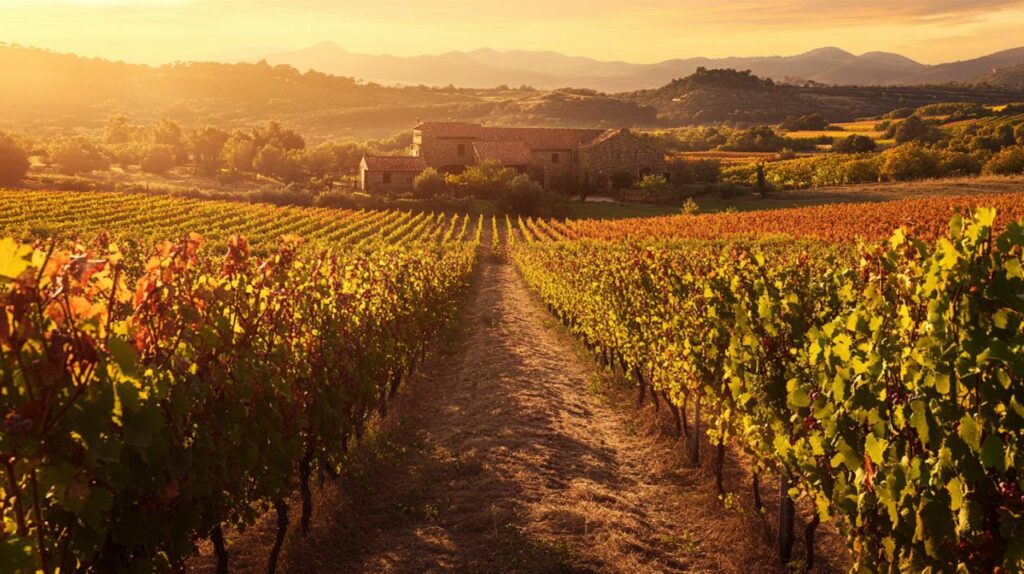
Spain's vinous landscape unfolds like a vast tapestry woven through centuries of dedication, passion, and an unwavering commitment to excellence. From the sun-drenched hillsides of Andalucía to the lush, verdant valleys of the north, each vineyard tells a story of heritage and craftsmanship. This journey through the country's most celebrated wine territories reveals not only exceptional bottles but also the soul of a nation deeply intertwined with its land and traditions. As we delve into the heart of these revered regions, we discover how history, climate, and native grape varieties converge to create wines that captivate enthusiasts and connoisseurs alike.
The Heritage and Character of Spain's Premier Wine Regions
Spain boasts an illustrious winemaking heritage that stretches back over three millennia, with cultivation dating to at least 1,100 BC. This ancient tradition has blossomed into a modern industry that commands respect across the globe, supported by the largest vineyard surface in the world. The country's diverse geography and climate zones have given rise to seven main wine regions, each with its own distinct personality and terroir. From Green Spain in the northwest, where crisp white wines flourish under maritime influences, to the arid expanses of La Mancha, the world's largest vineyard area, the variety is staggering. Catalonia and the Balearics offer a Mediterranean character, while Andalucía enchants with its fortified treasures. The concept of Denominaciones de Origen plays a crucial role in safeguarding quality and authenticity, ensuring that each bottle reflects the unique characteristics of its birthplace. These classifications guide wine lovers through a labyrinth of flavours and styles, from the elegant reds of northern-central Spain to the vibrant whites of the coastal regions.
Rioja: the crown jewel of spanish winemaking excellence
Nestled in the northern-central part of the country, Rioja stands as the undisputed crown jewel of Spanish viticulture. This region has earned international acclaim for its exceptional red wines, which are crafted predominantly from the Tempranillo grape, a variety that thrives in the temperate climate and varied soils of the area. The aging classifications of Rioja wines reflect a meticulous approach to maturation, with Crianza wines resting for a minimum of two years, Reserva for three years, and Gran Reserva for five years or more. This patient process allows the wines to develop layers of complexity, with notes of ripe fruit, vanilla, and spice harmonising beautifully. The influence of American and French oak barrels imparts a distinctive character that has become synonymous with Rioja's identity. Beyond the technical aspects, the region embodies a philosophy of balance and elegance, where tradition meets innovation. Winemakers here respect the wisdom passed down through generations while embracing modern techniques to refine and enhance their craft. The result is a portfolio of wines that cater to diverse palates, from youthful and vibrant expressions to mature, contemplative bottles that reveal new facets with every sip. Rioja's reputation extends beyond its borders, attracting visitors who seek not only to taste the wines but also to immerse themselves in the culture and history that define this extraordinary place.
Ribera del duero: where bold tempranillo thrives
Further south, in the heart of Old Castile, lies Ribera del Duero, a region celebrated for producing richer and more robust red wines than its northern counterpart. Here, the Tempranillo grape reveals a different facet of its personality, nurtured by the continental climate and high-altitude vineyards that experience dramatic temperature fluctuations between day and night. This thermal variation encourages the development of intense flavours and concentrated tannins, resulting in wines that are both powerful and refined. The historical significance of Ribera del Duero cannot be overstated, as it has played a pivotal role in shaping Spain's viticultural narrative. The region's commitment to quality is evident in every bottle, with many producers adhering to rigorous standards that rival the world's finest wine-producing areas. The deep ruby hues and aromas of dark berries, leather, and tobacco that characterise these wines speak to the terroir's unique influence. Winemakers in Ribera del Duero honour traditional methods while also experimenting with new approaches, ensuring that the region remains at the forefront of innovation. The landscape itself, with its rolling hills and ancient vineyards, provides a stunning backdrop for exploration and discovery. For those seeking an authentic encounter with spanish wine regions, Ribera del Duero offers an unforgettable journey into the heart of bold, expressive winemaking that captures the essence of the land and its people.
The Art of Spanish Winemaking and Culinary Harmony
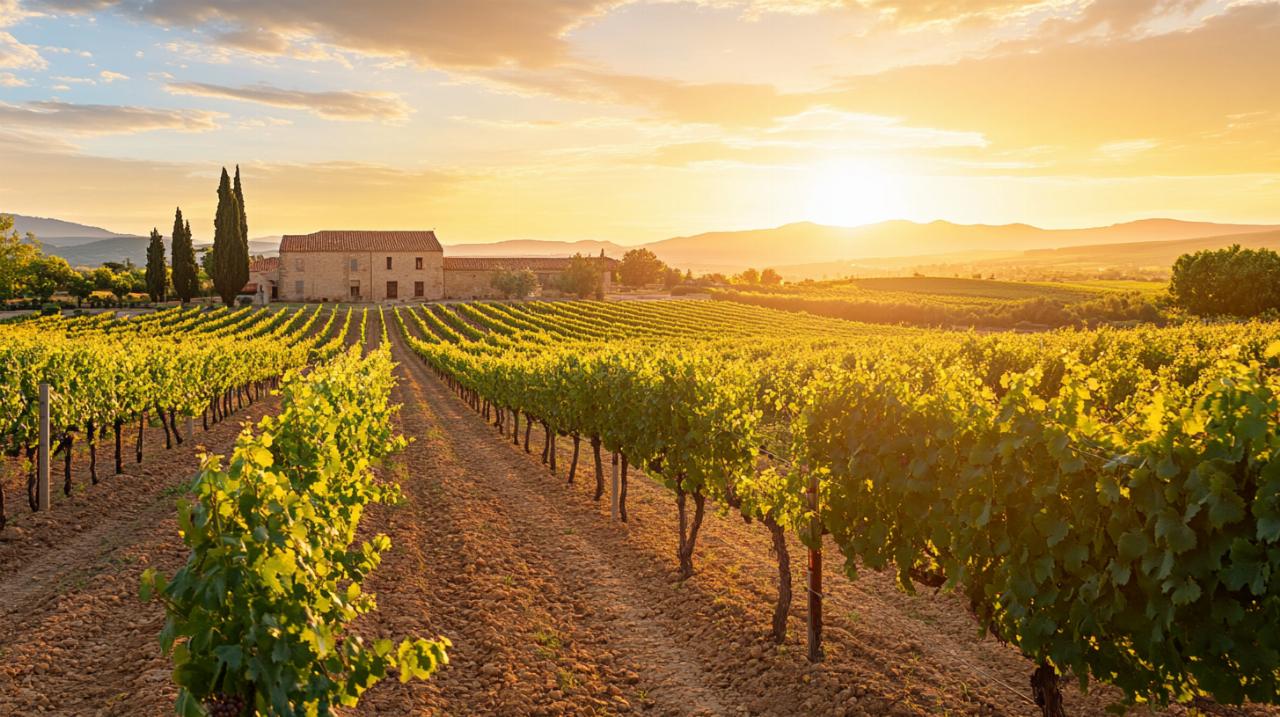
The creation of Spanish wines is an art form that draws upon centuries of knowledge, refined techniques, and an intimate understanding of the land. Each region employs methods that have been honed and perfected over generations, ensuring that the essence of the grape and the character of the terroir are preserved in every bottle. From the careful selection of native grape varieties such as Albariño, Garnacha, Godello, Bobal, and Monastrell, to the precise timing of harvest during the grape season from August to October, every step is executed with meticulous attention to detail. The diversity of Spanish wines is a testament to the country's rich viticultural tapestry, encompassing everything from the refreshing whites of Rías Baixas, which are ideal companions to seafood, to the intense reds of Priorat, shaped by slate soils and elevated vineyards. Sparkling Cava from Catalonia brings celebration to any occasion, while the fortified wines of Andalucía, including the various styles of Sherry such as Fino and Amontillado, offer complexity and depth. Understanding the classifications and styles not only enhances appreciation but also invites enthusiasts to explore the breadth of offerings available. Wine tourism has flourished in recent years, with opportunities to stay in luxury villas near renowned vineyards and participate in private wine tastings that provide intimate insights into the winemaking process. These experiences allow visitors to connect with the land and the people who dedicate their lives to crafting these extraordinary beverages.
Traditional vinification methods passed through generations
The vinification methods employed across Spanish wine regions are deeply rooted in tradition, yet they remain adaptable to the demands of contemporary winemaking. In many estates, the harvest is still conducted by hand, a practice that ensures only the finest grapes are selected for fermentation. This labour-intensive approach reflects a commitment to quality that transcends economic considerations, prioritising excellence above all else. Once the grapes reach the winery, they undergo gentle pressing to extract the juice without compromising the integrity of the fruit. Fermentation may take place in stainless steel tanks for fresher, more aromatic styles, or in oak barrels to impart additional complexity and structure. The choice of vessel and the duration of aging are decisions guided by generations of experience and a profound respect for the character of each vintage. In regions such as Rioja and Ribera del Duero, the use of American and French oak barrels has become a hallmark of style, lending notes of vanilla, spice, and toast that complement the inherent qualities of the Tempranillo grape. Elsewhere, in the coastal areas of Green Spain, winemakers favour shorter aging periods and minimal intervention, allowing the bright acidity and floral aromas of varieties like Albariño and Txakoli to shine. This philosophy of minimal interference extends to organic wine production, which has gained momentum as producers seek to honour the land and ensure sustainability for future generations. The artistry of Spanish winemaking lies in this delicate balance between preserving tradition and embracing innovation, a dance that results in wines of remarkable diversity and distinction.
Marrying spanish wines with authentic regional cuisine
The relationship between Spanish wines and the country's vibrant culinary traditions is one of symbiotic harmony, where each enhances the other to create an experience greater than the sum of its parts. In coastal regions, the crisp, citrus-driven whites of Rías Baixas provide the perfect counterpoint to fresh seafood, their bright acidity cutting through the richness of shellfish and octopus. Further inland, the robust reds of Ribera del Duero and Rioja find their match in hearty dishes such as roasted lamb, cured meats, and aged cheeses, where the wines' tannins and complex flavours complement the savoury, umami-rich profiles of the food. The versatility of Spanish wine extends to sparkling Cava, which pairs beautifully with tapas, from patatas bravas to jamón ibérico, adding a festive note to any meal. In Andalucía, the fortified wines of Jerez de la Frontera, including Fino and Amontillado, are traditionally enjoyed alongside salty olives, almonds, and fried fish, their oxidative notes and nutty undertones creating a harmonious balance. The art of pairing wine with food is deeply embedded in Spanish culture, where meals are leisurely affairs meant to be savoured and shared. This cultural emphasis on conviviality and the pleasure of the table elevates the act of drinking wine from a simple indulgence to a celebration of life itself. For enthusiasts seeking to deepen their appreciation, exploring these pairings offers a gateway into understanding the nuances of each region and the profound connection between what is grown in the soil and what is enjoyed at the table. Whether through formal wine tastings, guided tours, or intimate dinners in a rustic villa, the marriage of Spanish wines and regional cuisine remains an enduring testament to the country's rich heritage and its ongoing love affair with the art of living well.