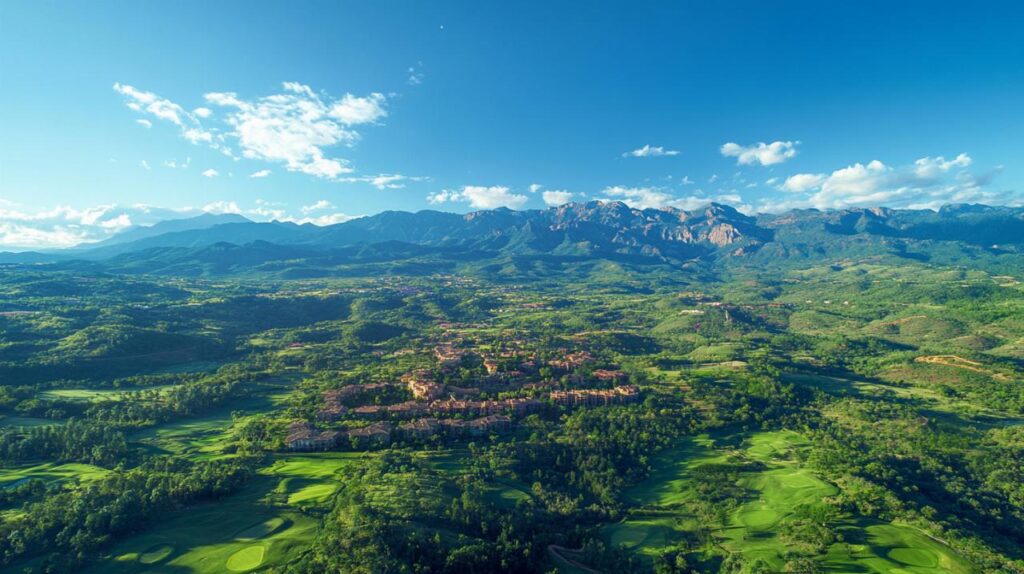
The Carlit Massif stands as one of the most captivating corners of the Pyrenees, where rugged peaks embrace pristine alpine waters and ancient traditions thrive in the mountain air. This breathtaking landscape, where nature and culture intertwine seamlessly, offers visitors a rare opportunity to discover handmade treasures crafted by artisans who draw inspiration from their spectacular surroundings. Beyond the well-trodden hiking trails and the shimmering expanse of Lake Bouillouses, a network of craft workshops reveals the soul of the region, where skilled hands transform local materials into objects of beauty and function.
Traditional artisan workshops nestled among alpine peaks
Discovering local craftspeople in mountain villages
Scattered throughout the villages that cling to the slopes of the Carlit Massif, artisan workshops preserve centuries-old techniques whilst embracing contemporary sensibilities. These craftspeople work in harmony with the rhythms of the mountain environment, their studios often tucked away in renovated stone buildings that once served as shepherds' shelters or storage barns. The proximity to the regional park means that many artisans have developed a profound connection to the landscape, translating the colours of alpine flora, the textures of weathered rock, and the patterns found in wildlife into their handmade creations. Visitors who venture beyond the main tourist routes will find workshops where woodcarvers fashion intricate walking sticks, some simple and functional whilst others transform into carved works of art that celebrate the pastoral life and the harmony between humans and nature. These sticks serve not merely as souvenirs but as symbols of a way of life that has endured for generations in these high-altitude environments.
The Influence of Catalan Heritage on Contemporary Crafts
The Catalan heritage that permeates this corner of the Pyrenees has left an indelible mark on local craftsmanship, infusing contemporary work with distinctive motifs and traditional methods passed down through family workshops. One such example of enduring craft tradition can be found in the production of warm, locally made slippers from Pyrenean sheep's wool, a practice with roots stretching back to the late nineteenth century. The influence extends to the creation of cowbells, essential tools of pastoral life that have evolved into cherished collectibles. These bells, produced by skilled metalworkers, vary in size and design, with some featuring distinctive cross patterns and producing piercing sounds historically used to keep snakes at bay and to locate flocks wandering across mountain meadows. The Catalan tradition of metalwork and textile production continues to inspire modern artisans who reinterpret these heritage techniques, creating pieces that honour the past whilst speaking to contemporary tastes and sustainability concerns.
Natural Materials Sourced from the Regional Park
Sustainable practices in high-altitude environments
The spectacular landscapes surrounding the Carlit Massif provide more than mere inspiration; they supply the raw materials that define the region's artisan output. Craftspeople working at these considerable altitudes have developed sustainable practices that respect the delicate balance of the alpine environment, ensuring that their activities leave minimal impact on the flora and fauna that thrive in these protected spaces. Sheep's wool, sourced from flocks that graze on mountain pastures, becomes the foundation for textiles that provide warmth against the crisp mountain air. Local timber, carefully selected and harvested in accordance with regional park regulations, is transformed into functional and decorative items that carry the essence of Pyrenean forests. Even the minerals and clays found in certain areas contribute to pottery and ceramic work that reflects the earthy tones of the surrounding peaks. This commitment to sustainable sourcing ensures that future generations of both artisans and nature enthusiasts will continue to benefit from the remarkable resources of the Carlit Massif and its environs.
Flora and Wildlife Inspiration in Handcrafted Designs
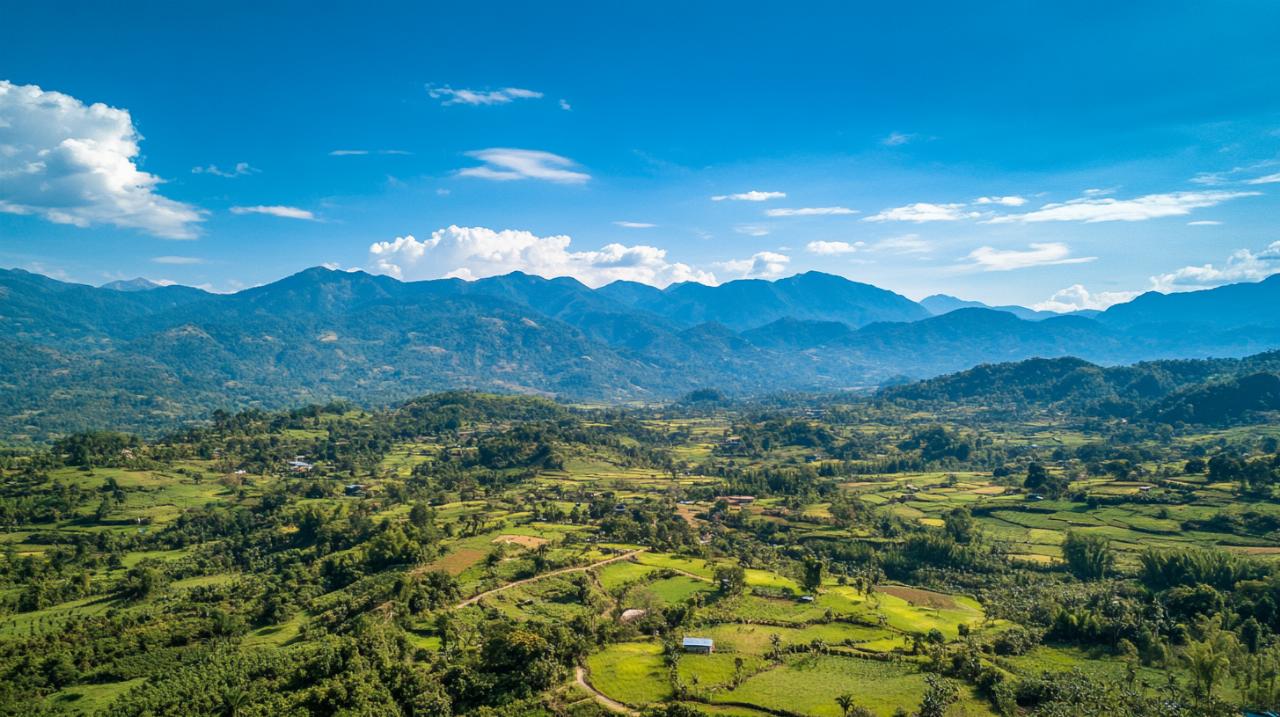
The breathtaking biodiversity of the regional park serves as an endless source of creative inspiration for local craftspeople, who observe the intricate details of mountain life with the keen eyes of artists and naturalists alike. The delicate petals of alpine flowers, the majestic silhouette of the bearded vulture soaring above rocky crags, and the subtle patterns found in lichen-covered stones all find expression in handcrafted designs. Textile artists incorporate the rich purples and blues of high-altitude blooms into woven pieces, whilst jewellery makers capture the essence of wildlife through carefully wrought metalwork. The influence of the natural environment extends even to culinary crafts, where artisans create confectionery inspired by wild berries that flourish in mountain meadows. Traditional sweets, handmade with natural ingredients, come in flavours that evoke the taste of wild blueberries gathered from hillsides near hidden ponds. These small, translucent treats represent not only a local delicacy but also a connection to the land that has sustained mountain communities for centuries. The dedication to preserving these flavours and techniques speaks to a broader commitment to maintaining the cultural and natural heritage of the Pyrenees.
Combining outdoor pursuits with artisan experiences
Walking trails leading to hidden craft studios
For those who relish the combination of physical activity and cultural discovery, the network of trails around the Carlit Massif offers remarkable opportunities to encounter artisan workshops in their natural settings. These paths wind through landscapes of extraordinary beauty, passing markers that guide hikers through alpine meadows and alongside crystalline waters before arriving at villages where craftspeople maintain their studios. The journey to these workshops becomes an integral part of the experience, as walkers absorb the same vistas and natural elements that inspire the artisans themselves. Some trails form convenient loops that allow visitors to explore multiple workshops in a single outing, whilst others lead to more remote locations where a single craftsperson might work in splendid isolation, their nearest neighbours the marmots and chamois that inhabit the rocky slopes. The altitude and terrain demand a reasonable level of fitness, but the rewards extend beyond the acquisition of handmade treasures to include encounters with the mountain environment at its most pristine and the satisfaction of reaching destinations that remain largely unknown to conventional tourism.
Planning your trip: from lake bouillouses to workshop visits
A well-planned visit to the Carlit Massif can seamlessly blend outdoor activities with artisan experiences, creating a rich and varied journey through one of the Pyrenees' most compelling regions. Lake Bouillouses serves as an excellent starting point, its waters reflecting the surrounding peaks and providing access to numerous trails that radiate outward into the regional park. From this central location, visitors can embark on hiking expeditions that range from gentle walks suitable for families to more challenging ascents toward the peak of Carlit itself, all whilst keeping an eye out for markers indicating the locations of craft workshops. Those seeking a comprehensive experience might consider multi-day itineraries that incorporate fishing in mountain streams, wildlife observation, and scheduled visits to artisan studios where demonstrations reveal the meticulous processes behind each handmade object. The region's commitment to preserving both its natural environment and its cultural heritage means that visitors will find ample opportunities to engage with local traditions, whether through purchasing a pair of wool slippers, selecting a hand-carved walking stick, or simply savouring artisan pastries made with wild berries gathered from nearby slopes. The combination of breathtaking landscapes, authentic craftsmanship, and the warm hospitality of mountain communities ensures that a trip to the Carlit Massif becomes more than a holiday; it transforms into a meaningful connection with a place where tradition and nature continue to flourish side by side.