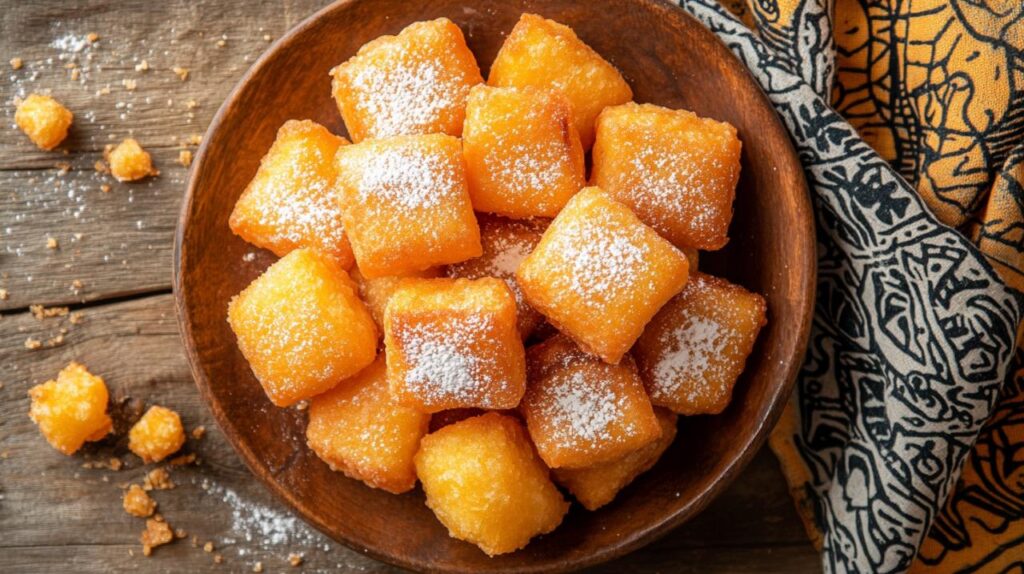
Across homes and kitchens throughout the African continent, a beloved snack emerges from sizzling oil with a satisfying crunch and a rich, golden hue. These delightful fritters, cherished for their buttery texture and subtly sweet flavour, have long been a staple at celebrations and family gatherings. Yet the true challenge lies not merely in their creation, but in ensuring that once prepared, they remain as fresh and crisp as the moment they left the pan. Mastering the art of proper packaging transforms these treats from a fleeting indulgence into a lasting pleasure, ready to be enjoyed for weeks on end without sacrificing their signature texture or taste.
Selecting the Right Packaging Materials for Maximum Freshness
The journey towards preserving the quality of these African fritters begins with a thoughtful choice of packaging materials. Not all containers are created equal, and selecting the right vessel can mean the difference between a snack that retains its delightful crunch and one that turns disappointingly soft within days. The goal is to create an environment that shields the fritters from the elements most likely to compromise their integrity, namely moisture and air. Without adequate protection, even the most expertly fried batch will succumb to staleness, losing the very qualities that make them so irresistible.
Airtight Containers and Their Role in Preserving Crispness
Airtight containers stand as the gold standard when it comes to maintaining the crispness of fried snacks. These vessels, typically made from robust plastics or glass, are designed to seal tightly and prevent any exchange of air between the interior and the outside world. This barrier is crucial because exposure to oxygen accelerates the oxidation of oils present in the fritters, leading to rancidity and a decline in both flavour and texture. When selecting an airtight container, it is essential to ensure that the lid fits snugly and that the material is food-grade, free from any chemicals that might leach into the contents over time. Glass containers, though slightly heavier, offer the added advantage of being non-reactive and easy to clean, making them a popular choice for those who prioritise both safety and longevity in their storage solutions.
The size of the container also warrants consideration. Overly large vessels leave too much air trapped inside, which can contribute to moisture buildup and eventual sogginess. Conversely, cramming too many fritters into a small space risks crushing them and compromising their structure. A container that comfortably accommodates the batch without excessive empty space strikes the ideal balance, ensuring that each piece remains intact and retains its satisfying crunch. For those preparing large quantities, dividing the batch into multiple smaller containers rather than using one oversized jar can prove more effective in maintaining consistent quality across the entire stash.
Food-Grade Bags and Sealing Techniques for Extended Shelf Life
While rigid containers offer excellent protection, food-grade bags present a flexible and space-efficient alternative. These bags, often made from polyethylene or similar materials, can be sealed using various techniques to create an airtight environment. Zip-lock bags are a convenient option for home use, provided they are of high quality and designed specifically for food storage. For those seeking an even more secure seal, vacuum-sealing emerges as a highly effective method. By removing the air entirely from the bag, vacuum-sealing minimises the risk of oxidation and moisture infiltration, thereby extending the shelf life of the fritters significantly.
Heat-sealing represents another reliable technique, particularly for those who prepare these treats in bulk for sale or gifting. A simple heat-sealer, widely available at modest prices, can create a permanent seal that rivals the integrity of commercially packaged goods. When using bags, it is vital to ensure that the fritters are completely cool and free from excess oil before packaging, as any residual moisture or grease can compromise the seal and encourage spoilage. Layering the fritters with sheets of parchment paper within the bag can further prevent them from sticking together and help maintain their individual texture. This approach not only preserves quality but also enhances the presentation, making the packaged snacks more appealing whether they are destined for personal consumption or to be shared with others.
Proper cooling and preparation before packaging
Even the finest packaging materials will prove futile if the fritters are not properly prepared beforehand. The moments immediately following cooking are critical, as the way in which the snacks are cooled and treated directly influences their longevity and quality. Rushing this stage or neglecting key steps can undo all the effort invested in both the cooking and the packaging, resulting in a product that falls short of expectations.
Allowing your african fritters to cool completely after cooking
Patience is paramount when it comes to cooling fried snacks. Fresh from the oil, these fritters are piping hot and enveloped in steam, which carries with it the moisture that, if trapped, will quickly turn a crispy exterior into a soggy disappointment. It is essential to spread the freshly fried pieces in a single layer on a wire rack or a tray lined with absorbent paper, ensuring that air can circulate freely around each piece. This arrangement allows the steam to escape and the exterior to firm up, locking in that desirable crunch.
The cooling process should never be hurried. Placing hot fritters directly into a sealed container creates a humid microclimate that encourages condensation, which in turn softens the surface and invites bacterial growth. Depending on the ambient temperature and humidity, it may take anywhere from thirty minutes to an hour for the fritters to cool down to room temperature. During this time, resist the temptation to stack or pile them, as this will trap heat and moisture. Only once they have cooled completely and any residual heat has dissipated should they be transferred to their final packaging. This simple yet often overlooked step is one of the most effective ways to safeguard the texture and extend the shelf life of these cherished treats.
Removing excess oil to prevent sogginess during storage
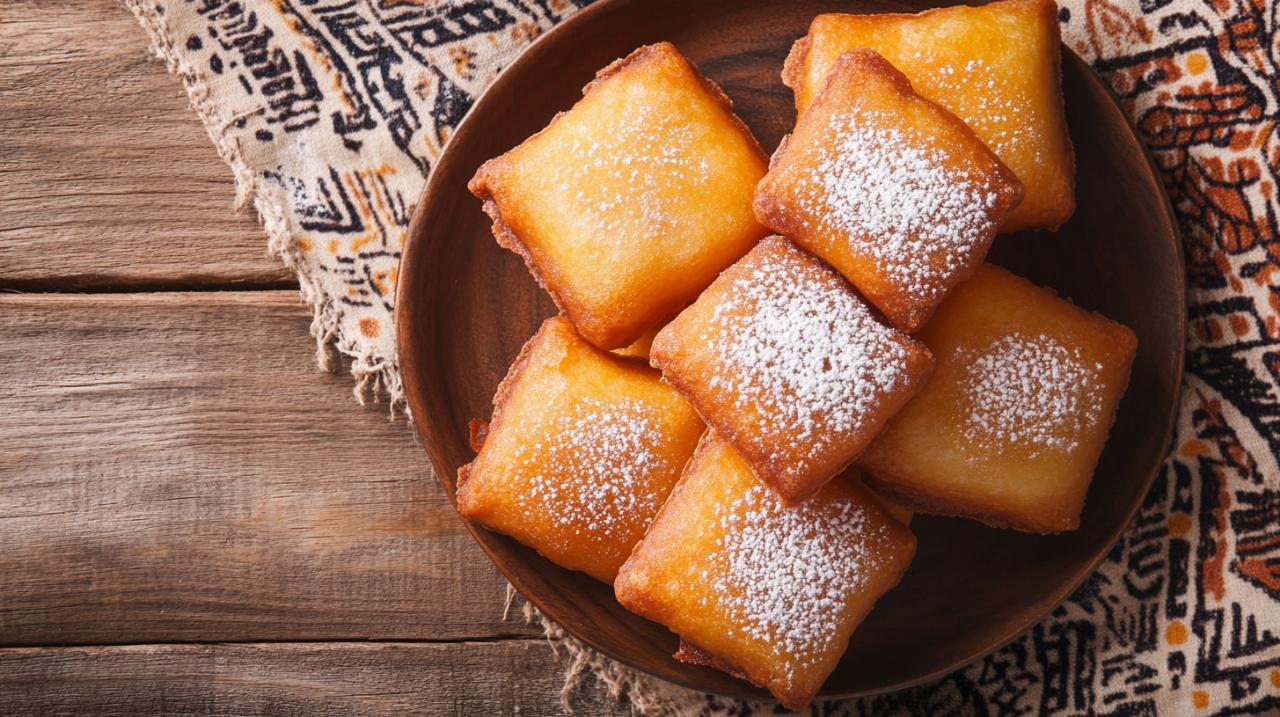
Even with diligent cooling, excess oil clinging to the surface of the fritters can become a source of trouble during storage. Oil that remains on the exterior not only contributes to a greasy mouthfeel but also accelerates spoilage by providing a medium for microbial activity. To mitigate this, it is advisable to drain the fritters thoroughly immediately after frying. Placing them on several layers of kitchen paper or a clean cloth allows the oil to be absorbed quickly and efficiently.
For those seeking an extra level of refinement, gently patting the fritters with additional paper once they have cooled slightly can further reduce surface oil. This practice is particularly beneficial for fritters that have been cooked in oil at a slightly lower temperature, as these may absorb more fat than those fried at the optimal heat. By ensuring that each piece is as dry as possible before packaging, the risk of oil seeping into the packaging and creating an unpleasant, soggy texture is minimised. This attention to detail not only enhances the eating experience but also contributes to the overall preservation of the snacks, allowing them to remain fresh and appetising for weeks.
Storage Conditions and Tips for Long-Lasting Quality
Securing the right packaging and preparing the fritters with care are essential steps, yet the environment in which they are stored plays an equally vital role in determining how long they will retain their quality. Even the most robust container cannot compensate for storage conditions that promote spoilage, and understanding the factors that influence freshness is key to achieving the best results.
Ideal Temperature and Humidity Levels for Storing Packaged Chinchin
Temperature and humidity are the twin pillars of effective food storage, and both must be carefully managed to preserve the integrity of fried snacks. Ideally, these fritters should be stored in a cool, dry place, away from direct sunlight and sources of heat. A pantry or cupboard that maintains a stable temperature, typically around eighteen to twenty-two degrees Celsius, provides an excellent environment. Fluctuations in temperature can cause condensation within the packaging, even if the container is airtight, so it is best to avoid areas near ovens, dishwashers, or windows where temperatures may vary throughout the day.
Humidity is equally critical. High moisture levels in the air can permeate packaging over time, especially if the seals are not entirely impermeable. In particularly humid climates, storing the packaged fritters in a refrigerator may seem like a logical solution, but this approach comes with its own set of challenges. Refrigeration can introduce moisture from the cooler air, and the fritters may absorb odours from other foods. If refrigeration is deemed necessary, it is advisable to use multiple layers of packaging, such as placing an airtight container inside a sealed bag, to provide an extra barrier against humidity and cross-contamination. For most temperate climates, however, room temperature storage in a well-sealed container suffices to keep the snacks fresh for several weeks.
Avoiding common mistakes that compromise texture and flavour
Even with the best intentions, certain missteps can undermine efforts to preserve these delightful fritters. One frequent error is packaging them while they are still warm, a practice that has already been discussed but bears repeating due to its prevalence. Another common pitfall is neglecting to check the seals on containers and bags regularly. Over time, the integrity of even high-quality packaging can degrade, particularly if the containers are opened and closed frequently. Inspecting seals and replacing any compromised packaging promptly helps maintain the protective barrier essential for long-term storage.
Overfilling containers is another mistake that often goes unnoticed. While it may seem efficient to maximise the use of available space, cramming too many fritters into a single vessel increases the likelihood of breakage and uneven exposure to air. This not only affects the texture but can also lead to inconsistent quality, with some pieces remaining crisp while others turn soft. Adopting a mindful approach to portioning, using multiple containers if necessary, ensures that each batch is stored under optimal conditions and remains as fresh as possible throughout its intended shelf life.
Finally, it is worth noting that the quality of the ingredients and the cooking process itself set the foundation for successful storage. Fritters made with fresh flour and cooked in clean oil at the correct temperature are inherently more stable and less prone to rapid deterioration. By combining meticulous preparation, thoughtful packaging, and careful attention to storage conditions, these African fritters can be enjoyed for weeks, delivering the same satisfying crunch and rich flavour that make them a timeless favourite across the continent and beyond.