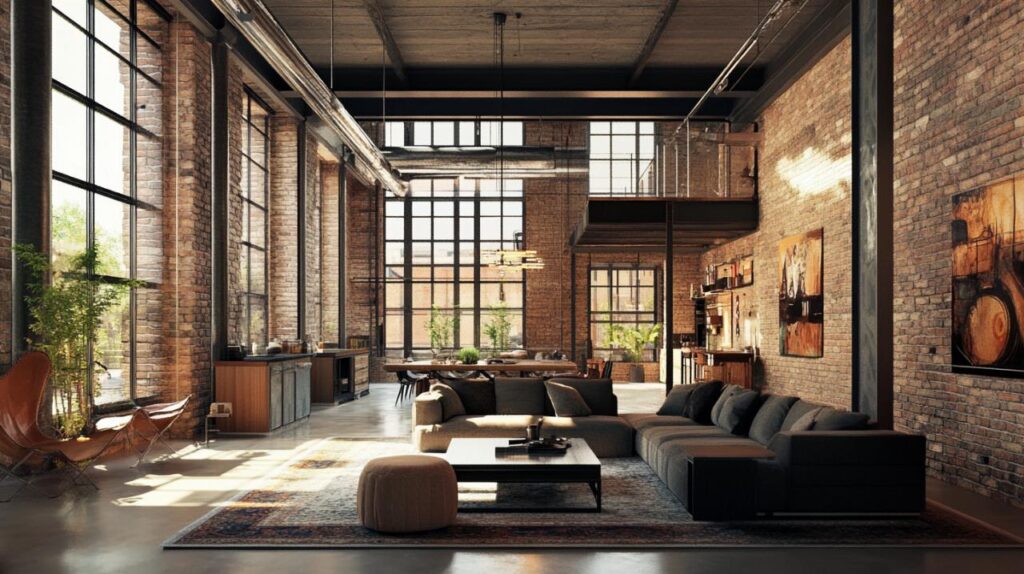
The allure of industrial style interior decor lies in its ability to transform living spaces into bold statements of character and authenticity. This design approach has evolved from warehouse conversions and factory lofts into a mainstream aesthetic that celebrates honesty in construction and materials. Whether you are revitalising a period property or adding edge to a contemporary flat, industrial design offers a refreshing departure from conventional decorating schemes. The movement towards this style reflects a broader cultural appreciation for craftsmanship, sustainability, and the unique stories that well-worn materials can tell.
Embracing Raw Materials and Minimalist Aesthetics in Your Space
At the heart of industrial interior design sits a profound respect for materials in their most unadorned state. This philosophy champions the notion that beauty emerges not from concealment but from celebration of structural elements. The aesthetic draws heavily from the conversion of commercial buildings into residential spaces, where original architectural features become focal points rather than elements to hide. By stripping away unnecessary embellishment, industrial style creates environments that feel both spacious and grounded, offering new design possibilities that challenge traditional notions of domesticity.
The Beauty of Exposed Brick and Metal Fixtures
Exposed brickwork stands as one of the most recognisable hallmarks of industrial design, bringing warmth and texture to otherwise stark environments. Rather than covering walls with plasterboard or wallpaper, leaving bricks visible creates an immediate connection to a building's history and construction. The earthy tones of terracotta, ochre, and rust provide a natural colour palette that works harmoniously with metal fixtures and concrete surfaces. When selecting lighting for such spaces, metal finishes in brass, bronze, or black matt complement the raw texture of brick whilst adding functional illumination. Wall lights with exposed cables or vintage-inspired bulb cages enhance the aesthetic without compromising on practicality.
Metal fixtures extend beyond lighting to include structural elements such as exposed pipework, steel beams, and wrought iron railings. These components, which might traditionally be hidden behind false ceilings or boxing, become design features in their own right. Kitchen island lighting crafted from industrial-grade metals creates striking visual anchors in open-plan areas, whilst copper accents introduce warmth and a touch of refinement. The interplay between different metallic finishes adds depth and visual interest, particularly when knurled or textured surfaces catch natural light throughout the day. For those exploring lighting options, visiting a London showroom provides an opportunity to see how various metal treatments interact with different room sizes and configurations.
Creating open-plan living areas with industrial elements
The industrial aesthetic naturally lends itself to open-plan configurations that maximise spatial flow and natural light. Removing non-structural walls creates loft-like environments where living, dining, and kitchen areas merge seamlessly. This approach not only enhances the feeling of spaciousness but also allows architectural features to be appreciated from multiple vantage points. High ceilings, a common feature in converted industrial buildings, can be emphasised through the strategic placement of ceiling lights that draw the eye upward whilst providing ambient illumination.
Zoning within open spaces requires thoughtful consideration to maintain functionality without resorting to physical barriers. Differences in flooring materials, such as polished concrete in kitchen areas transitioning to reclaimed wood in living spaces, help define territories whilst preserving visual continuity. Table lamps and floor lamps serve double duty as both lighting sources and spatial markers, creating intimate pockets within larger rooms. In dining areas, pendant lights suspended at varying heights add dimension and help establish a focal point for gatherings. The key lies in balancing openness with cosiness, ensuring that expansive areas never feel cold or unwelcoming.
Incorporating Vintage and Reclaimed Furniture for Functional Design
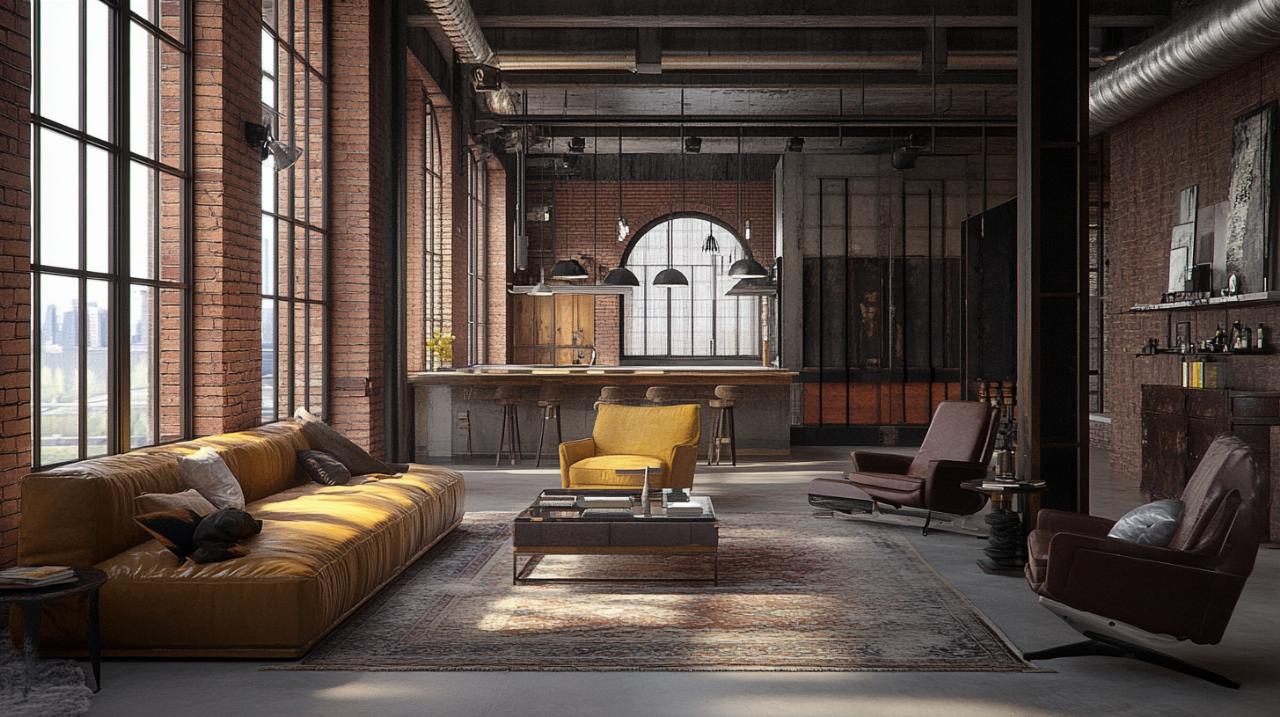
Furniture selection plays a crucial role in achieving an authentic industrial aesthetic whilst meeting the practical demands of modern living. The style favours pieces that exhibit signs of previous use, where patina and wear marks tell stories of earlier incarnations. This preference aligns with sustainable practices through upcycling, transforming discarded items into functional design elements. Reclaimed furniture not only reduces environmental impact but also introduces individuality that mass-produced items cannot replicate. Each scratch, dent, and faded paint mark contributes to a layered narrative that evolves as new pieces join the collection.
Sourcing authentic reclaimed pieces for character
Finding genuinely reclaimed furniture requires patience and a discerning eye for quality beneath surface imperfections. Architectural salvage yards, antique markets, and specialist dealers offer treasures ranging from factory workbenches to metal filing cabinets that can be repurposed for contemporary use. Industrial furniture often features robust construction methods designed for heavy-duty applications, making these pieces remarkably durable despite their age. A vintage metal locker can serve as a quirky wardrobe, whilst reclaimed scaffolding boards transform into shelving units or dining tables when paired with steel pipe brackets.
The search for authentic pieces might extend to commercial auctions or online marketplaces where former factory equipment finds new life in domestic settings. Old trolleys become mobile kitchen islands, whilst leather factory chairs provide comfortable seating with built-in character. When assessing potential purchases, examining structural integrity takes precedence over cosmetic condition, as surface treatments can be refreshed through gentle restoration. The goal remains preserving the essence of each piece rather than restoring it to pristine condition, allowing the history embedded in materials to remain visible and celebrated.
Balancing practicality with industrial style features
Whilst aesthetics drive much of industrial design, functionality must never be sacrificed in pursuit of visual appeal. The style inherently values practicality, stemming from its origins in working environments where every element served a clear purpose. This principle translates into residential settings through furniture that combines form and function seamlessly. Storage solutions might include open metal shelving units that display possessions attractively whilst remaining easily accessible, or vintage trunks that serve as both coffee tables and repositories for blankets and magazines.
Lighting selections should address both ambient and task requirements across different times of day and activities. In kitchens, water-resistant lights positioned above sinks and preparation areas ensure safety and visibility, whilst bedroom lighting schemes might incorporate adjustable floor lamps for reading alongside softer ambient sources. The diversity of lighting categories available, from shades and accessories to bulbs in various colour temperatures, allows for nuanced control over atmosphere. Natural materials such as wood, stone, and natural fibre introduce warmth that tempers the coolness of metal and concrete, creating balanced environments suitable for relaxation as well as productivity.
Colour experimentation within industrial schemes often gravitates towards neutral bases accented with bold punctuation. Charcoal greys, warm whites, and earthy browns provide versatile backdrops that allow statement furniture and lighting to command attention. Introducing colour through textiles, artwork, or painted accent walls personalises spaces without overwhelming the raw material aesthetic. In commercial spaces adapted for residential use, maintaining some original signage or machinery as decorative elements bridges past and present uses. This approach works equally well in hallway areas, where vintage factory clocks or illuminated signage create memorable first impressions. Gardens and outdoor spaces can extend the industrial theme through metal planters, reclaimed brick pathways, and exterior lighting with weatherproof finishes in bronze or pewter.
The enduring appeal of industrial style interior decor stems from its honest approach to materials and space, combined with flexibility that accommodates personal expression. Whether drawn to the minimalist purity of exposed structures or the rich patina of vintage furnishings, this design direction offers frameworks rather than rigid rules. By embracing imperfections and celebrating functionality, industrial interiors create environments that feel both timeless and thoroughly contemporary, proving that what was once purely utilitarian can become profoundly beautiful.