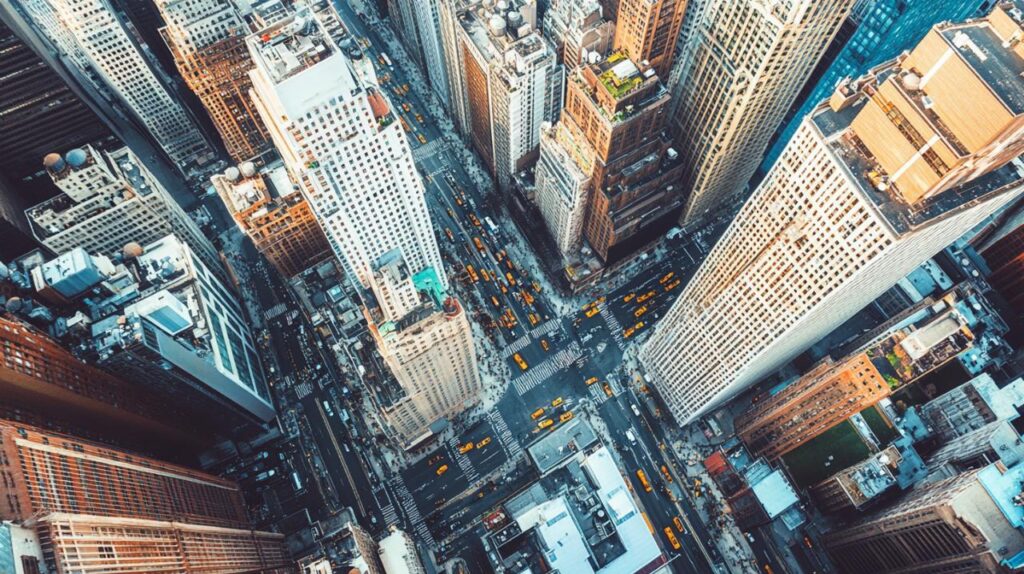
America's urban centres have long served as the beating heart of the nation's economy and culture. From the towering skyscrapers of New York to the sun-drenched boulevards of Los Angeles, these cities represent more than just numbers on a census form. They are dynamic hubs of opportunity, innovation, and diversity, drawing millions of residents seeking employment, education, and the unique character that only a major metropolis can offer. Understanding which cities lead in population provides valuable insight into where people are choosing to live and work, revealing broader trends about American society and economic vitality.
The Giants of American Urban Life: Exploring the Most Densely Populated Metropolises
When discussing the most populous cities in the United States, one name inevitably rises to the top. New York City stands as the undisputed champion, home to over eight million residents who navigate its bustling streets and iconic boroughs daily. This sprawling metropolis has earned its reputation as a proper melting pot, welcoming waves of immigrants and visitors throughout its history. The city serves as the financial heart of America, with Wall Street driving global markets and countless businesses establishing headquarters within its boundaries. Beyond the numbers, New York attracts more than sixty-five million visitors each year, drawn by its world-renowned museums, theatres, restaurants, and cultural institutions. The sheer density of its population creates an unparalleled energy, making it a magnet for ambitious professionals across industries from finance to fashion, media to medicine.
New york city: the unrivalled population powerhouse and employment capital
The employment opportunities in New York City remain unmatched in their scope and diversity. Whether one seeks a career in the arts, technology, commerce, or hospitality, the city offers pathways that simply don't exist elsewhere at the same scale. This concentration of jobs has historically driven migration patterns, with people from across America and around the world relocating to pursue their ambitions. The city's infrastructure, whilst facing challenges related to ageing systems, continues to support this massive population through an extensive public transport network that moves millions daily. The earning potential in New York reflects its status, though this comes alongside a notably high cost of living that affects everything from housing to everyday expenses.
Los Angeles and Chicago: Contrasting Landscapes of America's Second and Third Largest Cities
Moving westward, Los Angeles claims the distinction of being the second most populous city, with nearly four million residents calling it home. The entertainment capital of the world presents a completely different character from its East Coast counterpart. Sunshine, beaches, and a sprawling layout define this California giant, where the car culture and outdoor lifestyle contrast sharply with the vertical density of New York. The city's economy revolves around the entertainment industry, though technology, international trade, and tourism also contribute significantly. Chicago takes the third position with approximately two million inhabitants, earning its nickname as the Windy City through both weather patterns and political history. This Midwest powerhouse serves as a major transportation hub, with its central location making it vital for logistics and commerce. The city's architectural heritage and distinct neighbourhoods give it a character entirely its own, blending industrial might with cultural sophistication.
Rising Stars and Regional Powerhouses: Texas Cities and Beyond
The American South and Southwest have witnessed remarkable urban expansion in recent decades, with Texas leading this transformation. Houston and Dallas have emerged as powerhouses in their own right, demonstrating that population growth extends well beyond the traditional coastal giants. This shift reflects broader economic changes and the appeal of regions offering lower costs of living alongside robust job markets.
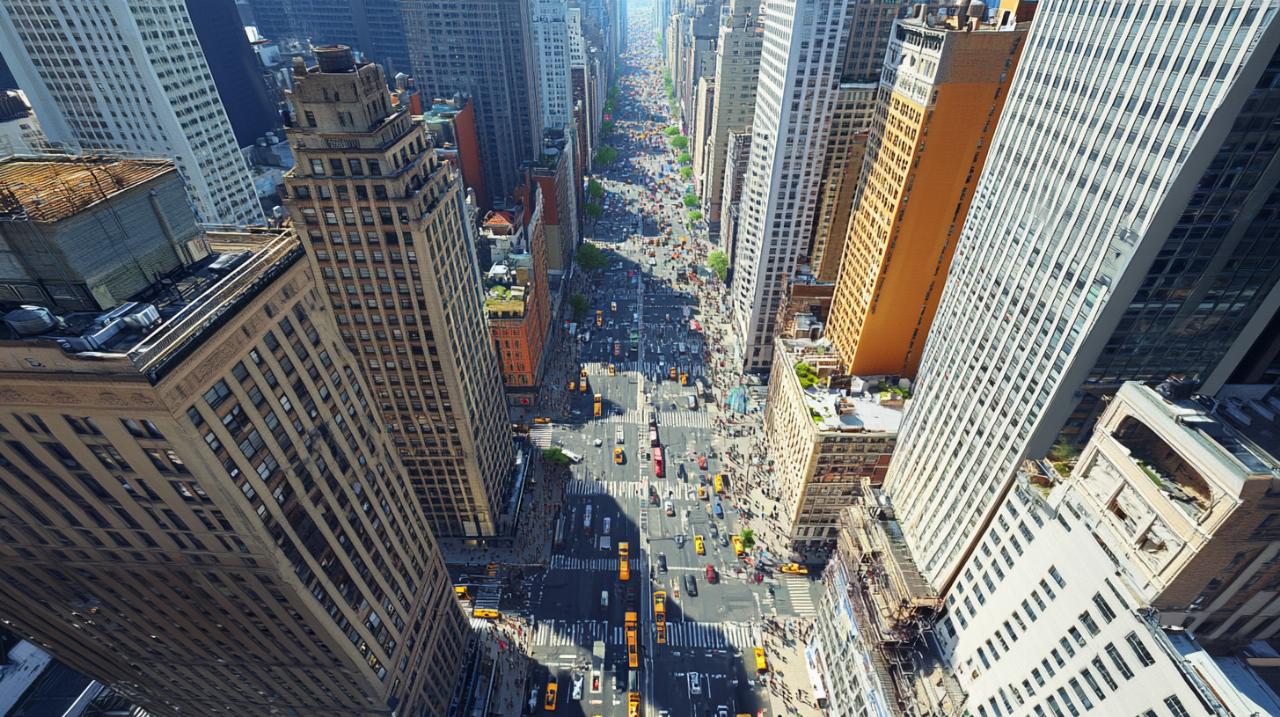
Houston and Dallas: Texas's Rapidly Expanding Urban Centres and Job Markets
Houston stands as the global centre of the energy industry, housing over two million residents within its boundaries. The city's economy benefits from this specialisation whilst also diversifying into healthcare, aerospace, and manufacturing. The rapid expansion of Houston reflects Texas's overall population boom, driven by both domestic migration and international immigration. Dallas has similarly experienced tremendous growth, creating a metropolitan area that rivals many long-established cities. The employment opportunities in these Texas cities have attracted businesses seeking lower operating costs and a business-friendly regulatory environment. This has created a virtuous cycle where companies relocate, bringing jobs that attract more residents, which in turn draws additional businesses. The labour force growth in cities like these has outpaced many traditional urban centres, reshaping America's economic geography.
Washington D.C. and Emerging State Capitals: Governmental Hubs and Growing Employment Opportunities
The nation's capital, Washington D.C., represents a unique case among American cities. With approximately seven hundred thousand residents, it combines governmental functions with a thriving private sector. The federal government's presence creates stable employment opportunities that weather economic downturns better than many industries. Beyond government jobs, the city has developed strengths in education, healthcare, and technology, with the surrounding metropolitan area supporting millions more residents. State capitals across America have similarly benefited from governmental stability whilst developing their own economic identities. Oklahoma City serves as an example of a state capital that has grown beyond its administrative functions, developing energy, aviation, and biotechnology sectors. Salt Lake City has emerged as a growing tech and finance hub, offering employment opportunities that attract young professionals seeking alternatives to coastal cities. The affordable cost of living in such cities provides an attractive counterpoint to the expenses associated with larger metropolises.
The evolving american urban landscape: census insights and future growth patterns
Recent census data reveals fascinating patterns about how American urban areas are developing. The fastest-growing cities aren't always the largest, and some mid-sized urban centres are experiencing remarkable transformations that challenge traditional assumptions about urban hierarchy.
Unexpected Growth: Mid-Sized Cities from Oklahoma to the Carolinas Making Their Mark
Raleigh, part of North Carolina's Research Triangle, has garnered attention for its employment opportunities and earning potential. The city's strengths in healthcare and education create a stable economic foundation, whilst technology companies increasingly establish operations there. Nashville has experienced similar momentum, with robust growth in healthcare, education, and logistics complementing its famous music industry. Charlotte's financial sector has expanded significantly, with labour force growth exceeding ten percent over recent years. Charleston has seen rising numbers of high earners as finance, healthcare, and technology jobs proliferate. These cities share common characteristics that explain their success: relatively affordable housing, quality of life that appeals to families and young professionals, and diversified economies that provide resilience against downturns. Indianapolis and Omaha represent Midwest cities maintaining stable job markets whilst offering reasonable living costs, proving that growth opportunities extend across diverse regions.
Understanding population trends: what census data reveals about america's changing cities
The factors driving urban growth have evolved considerably over recent decades. Industrialisation and immigration shaped cities throughout the nineteenth and early twentieth centuries, creating the initial foundation for today's largest metropolises. Contemporary growth reflects different dynamics, with migration patterns influenced by job opportunities, climate considerations, and lifestyle preferences. Technology hubs have become crucial economic engines, with cities like Austin and San Francisco attracting companies and talent despite high costs of living. The rise of remote work has complicated these patterns, allowing some workers to relocate from expensive coastal cities to more affordable inland locations whilst maintaining their positions. Demographic shifts, including an ageing population and increasing diversity, influence how cities develop their services and infrastructure. Younger generations often prioritise sustainability, public transport, and walkable neighbourhoods when choosing where to live, pushing urban policies toward these considerations. Environmental challenges, particularly climate change and pollution, affect city planning and may influence future migration patterns. Cities facing significant air quality issues or climate risks must address these concerns to remain attractive to residents and businesses. The American urban landscape continues its evolution, shaped by economic forces, demographic changes, and the enduring appeal of city living for those seeking opportunity and community.