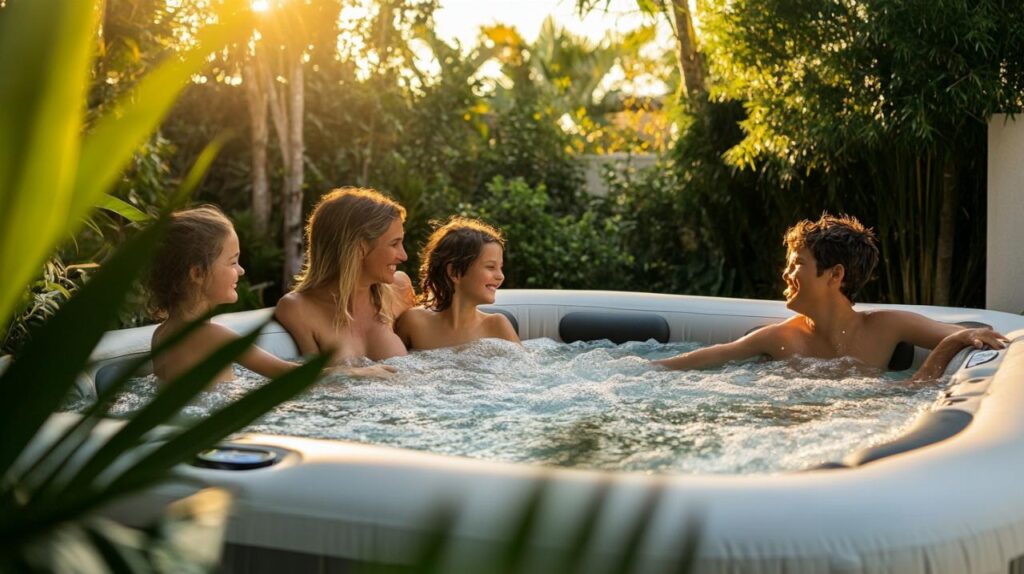
Transforming your garden into a personal retreat has never been more accessible, thanks to the growing popularity of inflatable spas. These versatile additions promise soothing relaxation for the whole family without the hefty price tag or permanent installation of traditional hot tubs. However, selecting the perfect inflatable spa requires careful thought and planning. Understanding the essential elements that contribute to a satisfying purchase will ensure you make an informed decision that brings years of enjoyment to your household.
Determining the Right Size and Capacity for Your Household
Assessing your family's needs and usage patterns
Choosing the appropriate size for your inflatable spa begins with honest reflection on how your family will use it. If you envision regular evening soaks with your partner, a compact model designed for two to three people might suffice. However, families with children or those who enjoy entertaining friends should consider larger options accommodating four to six bathers. It's worth noting that manufacturers often list generous capacity figures, so a spa advertised for three adults might feel rather snug when fully occupied. Think about your typical usage scenarios and whether you prefer spacious comfort or don't mind closer quarters during relaxation time.
Understanding spatial requirements for comfortable seating
Beyond the advertised capacity, the actual internal dimensions determine how comfortable everyone will feel during use. Some inflatable spas provide integrated seating structures, which can enhance comfort but may reduce the overall space available. Others feature open designs that allow more flexible positioning but lack dedicated back support. When evaluating spatial requirements, consider that adults need adequate room to stretch out without elbows constantly bumping into one another. Additionally, the depth of the spa affects comfort levels, particularly for taller family members who might appreciate deeper water for proper shoulder immersion.
Finding the Perfect Spot: Location and Installation Considerations
Evaluating surface stability and weight-bearing capacity
One of the most critical things to consider before buying an inflatable spa is where exactly it will sit in your outdoor space. The surface must be completely level to prevent water from pooling on one side and stressing the structure unevenly. Furthermore, the ground or decking needs sufficient strength to support considerable weight. A filled spa can weigh well over a tonne when you factor in the water and occupants, so patios, reinforced decking, or specially prepared gravel bases work best. Grass lawns often seem convenient but may compact over time, creating an uneven surface or drainage issues that compromise the spa's stability and longevity.
Planning Access to Power and Water Sources
Practical considerations extend beyond the physical placement of your spa. You'll require proximity to an electrical outlet capable of handling the spa's heating and filtration system, which typically operates on standard household current but should have its own dedicated circuit for safety. Similarly, convenient access to a water source simplifies the initial filling process and subsequent top-ups. Think about the hose length needed to reach your chosen location and whether the power cable can safely extend without creating trip hazards or requiring unsightly extension leads across your garden. Weatherproof outdoor sockets designed for hot tub use provide the safest solution.
Energy efficiency: heating and insulation performance
Comparing heat-up times and temperature retention
The time required to heat your spa from cold to the maximum temperature of around forty degrees Celsius varies considerably between models. Some inflatable spas might take twelve hours to reach optimal temperature, whilst others could require up to forty hours, particularly in colder weather. This heating duration directly impacts your flexibility in using the spa spontaneously. More importantly, well-insulated models retain heat far more efficiently once warmed, reducing the energy needed to maintain comfortable temperatures. Premium inflatable spas often feature enhanced insulation in both the base and walls, which proves especially valuable during cooler months when heat loss accelerates.
Calculating running costs and energy consumption
Beyond the initial purchase price, ongoing energy consumption represents a significant consideration for family budgets. Estimates suggest weekly running costs might range from seven to ten pounds for smaller, well-insulated models used moderately. However, larger spas used daily, particularly during winter, could see costs climbing toward fifty pounds weekly, especially given recent energy price increases. These figures depend heavily on how well the spa retains heat, the ambient temperature, and how often you use it. Investing in a quality insulated cover that minimises heat loss when the spa isn't in use can substantially reduce these ongoing expenses whilst protecting the water from debris.
Maintaining crystal clear water: filtration and sanitation systems
Exploring different water treatment options
Keeping your spa water clean and safe requires consistent attention to chemical balance and sanitation. Chlorine remains the most common sanitiser, effectively killing bacteria when maintained at levels between three and five parts per million. Some families prefer bromine tablets as an alternative, which work similarly but prove more stable at higher temperatures. Saltwater systems represent another option, using electrolysis to generate chlorine from dissolved salt, reducing the need for manual chemical additions. Regardless of which system you choose, maintaining proper pH levels between seven point two and seven point four ensures the sanitiser works efficiently whilst preventing skin irritation and equipment corrosion.
Understanding filtration system requirements and maintenance
Every inflatable spa includes a filtration pump that circulates water through a cartridge designed to trap debris and contaminants. These filters require regular cleaning and periodic replacement to maintain water clarity and system efficiency. Most manufacturers recommend changing filter cartridges every two to three weeks, with replacement units typically costing around three pounds each. Beyond filter maintenance, you'll need shock treatment products to oxidise organic contaminants that regular sanitisers don't fully eliminate. Establishing a routine maintenance schedule that includes testing water chemistry, cleaning filters, and administering appropriate chemicals ensures your spa remains inviting and hygienic throughout its lifespan.
Comfort and entertainment: features that matter
Evaluating massage jets and hydrotherapy options
The therapeutic benefits of your inflatable spa largely depend on its massage system. AirJet technology produces streams of bubbles that provide gentle, relaxing stimulation across your entire body, creating a champagne-like effect that soothes tired muscles. Some premium models incorporate dedicated water jets that deliver more focused, powerful hydrotherapy to specific muscle groups, though these systems typically appear in higher-end inflatable spas. When comparing options, consider whether you prioritise overall relaxation or targeted muscle relief. Digital controls allow you to adjust bubble intensity and activate features without leaving the warmth of the water, enhancing convenience during use.
Considering additional amenities for enhanced relaxation
Beyond the basic massage functions, various features can elevate your spa experience from functional to luxurious. Integrated LED lighting creates ambiance for evening relaxation, transforming your garden into a tranquil retreat after dark. Some innovative models now offer connectivity features, including systems controlled via smartphone applications that let you adjust temperature and activate jets before you even step outside. Built-in cup holders might seem trivial but prove remarkably practical for keeping beverages within reach during extended soaking sessions. Headrests or cushioned supports add comfort for those who enjoy longer relaxation periods, though these accessories sometimes require separate purchase.
Built to Last: Material Quality and Durability
Comparing construction materials and thickness
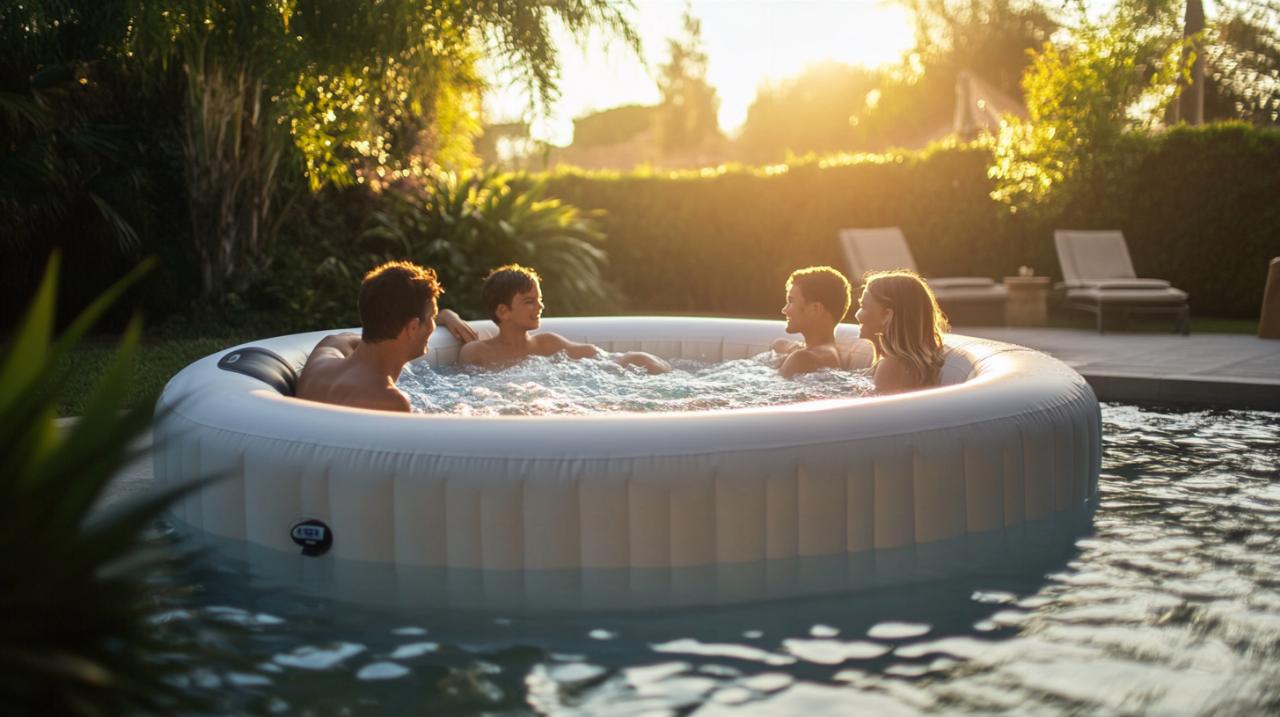
The structural integrity of your inflatable spa depends entirely on the materials used in its construction. Most models utilise laminated PVC as the primary material, with thickness and layer count determining overall durability. Entry-level spas might feature single-layer construction that proves adequate for occasional use but may develop leaks or wear more quickly under regular family use. Mid-range and premium options typically employ reinforced triple-layer fabric that significantly enhances puncture resistance and longevity. The seams represent particular stress points, so welded construction generally outperforms glued joints in terms of long-term reliability. Examining the stated material specifications helps gauge whether a particular model will withstand years of regular enjoyment.
Assessing Long-Term Reliability and Resistance to Wear
Durability extends beyond just the spa walls to include components like pumps, heaters, and control systems. Quality manufacturers use corrosion-resistant materials for heating elements and robust motors designed for continuous operation. The cover also plays a crucial role in protecting your investment, requiring sturdy construction with secure fastenings that withstand wind whilst providing effective insulation. Some families find that whilst budget models serve adequately for a season or two, investing in better-built options from established brands delivers superior value through extended lifespan. Reading about real-world experiences from long-term owners often reveals which models truly stand the test of time versus those that develop issues after limited use.
Budgeting wisely: initial investment and ongoing expenses
Breaking Down the Purchase Price and Setup Costs
Inflatable spa prices span a considerable range, from budget-friendly options around three hundred and seventy-nine pounds to premium models exceeding one thousand three hundred pounds. This variation reflects differences in size, features, materials, and brand reputation. When establishing your budget, remember that the advertised price rarely represents the total initial outlay. You'll likely need to purchase chemicals for initial water treatment, possibly a better quality cover than the included version, and potentially a ground cloth or base preparation materials. Some retailers offer package deals that include essential accessories, which can provide better value than purchasing items separately. Factor these additional costs into your planning to avoid budget surprises.
Estimating Monthly Running Expenses for Utilities and Chemicals
The ongoing cost of spa ownership encompasses electricity for heating and filtration, water for filling and topping up, and chemicals for maintenance. Electricity typically represents the largest recurring expense, varying based on your energy tariff, climate, and usage patterns. Water costs remain relatively modest unless you completely drain and refill frequently, which most manufacturers recommend only every few months with proper chemical maintenance. Chemical expenses depend on water volume and how diligently you maintain balance, but expect to spend approximately fifteen to thirty pounds monthly on sanitiser, pH adjusters, and shock treatments. Replacement filters add another small regular cost. Calculating these ongoing expenses alongside the purchase price provides a realistic picture of total ownership costs.
Prioritising Safety for the Whole Family
Checking safety standards and certifications
Safety considerations become paramount when introducing any water feature to your home, particularly with children or elderly family members. Reputable inflatable spa manufacturers ensure their products meet relevant safety standards for electrical components, structural integrity, and chemical resistance. Look for certifications that confirm independent testing and compliance with regulations governing hot tub safety. The heating system should include automatic shut-off features that prevent overheating, whilst the electrical components must have proper insulation and ground fault protection. Understanding these safety credentials before purchase provides peace of mind that your chosen spa incorporates appropriate safeguards against common hazards.
Implementing child safety measures and secure covers
Beyond the inherent safety features of the spa itself, you'll need to establish protocols protecting young children from unsupervised access. A lockable cover represents the most essential safety accessory, preventing curious youngsters from accessing the water when adults aren't present. These covers should fasten securely enough that children cannot remove them independently, whilst remaining easy for adults to operate. Consider whether your garden layout allows for additional barriers like fencing that create a controlled access zone around the spa. Establishing clear household rules about spa use, including adult supervision requirements and maximum safe temperatures for children, helps prevent accidents whilst allowing the whole family to enjoy this amenity safely.
Protecting your investment: warranty and after-sales support
Understanding warranty coverage and terms
A comprehensive warranty demonstrates manufacturer confidence in their product whilst protecting your investment against defects or premature failure. Typical inflatable spa warranties cover the structure for one to two years, with shorter coverage periods for components like pumps and heaters that experience more wear. Reading the warranty terms carefully reveals important details about what situations void coverage, such as improper installation or chemical damage from incorrect water treatment. Some manufacturers offer extended warranty options for additional cost, which might prove worthwhile for premium models. Understanding exactly what the warranty covers and for how long helps you assess the true value proposition and potential long-term costs if components require replacement.
Evaluating manufacturer customer service and support networks
Even the most reliable inflatable spa may eventually require troubleshooting assistance or replacement parts. Established brands typically maintain customer service teams and comprehensive online resources including setup guides, maintenance tutorials, and troubleshooting documentation. Before committing to a purchase, research the manufacturer's reputation for customer support responsiveness and helpfulness. Availability of replacement parts represents another crucial consideration, as some budget brands prove difficult to service once initial components wear out. Companies with UK-based support teams generally provide more accessible assistance than those requiring international communication. The quality of after-sales support often distinguishes a satisfying ownership experience from a frustrating one when issues inevitably arise.
Learning from Others: The Value of Customer Reviews
Identifying Common Praise and Concerns from Existing Owners
Customer reviews provide invaluable insights that manufacturer specifications simply cannot convey. Reading through experiences from families who have owned a particular model for months or years reveals patterns regarding reliability, actual running costs, and satisfaction levels. Pay particular attention to reviews mentioning similar usage scenarios to your own, as a spa perfect for occasional couples' use might prove inadequate for daily family enjoyment. Common complaints about specific models often highlight genuine weaknesses, whether excessive noise from the pump, disappointing heat retention, or premature material degradation. Conversely, consistently positive feedback about durability, comfort, or customer service reliability indicates models likely to deliver satisfying long-term performance.
Using real-world feedback to inform your purchase decision
Whilst individual reviews can reflect isolated experiences or unrealistic expectations, aggregate feedback across multiple platforms builds a reliable picture of what you can genuinely expect. Look for reviews from verified purchasers rather than promotional content, and consider both recent feedback and older reviews to understand how models perform over time. Some families share detailed accounts of their ownership experience, including setup challenges, maintenance routines, and seasonal performance variations that prove tremendously helpful for prospective buyers. Balancing this real-world wisdom with your specific needs and circumstances allows you to select an inflatable spa that truly matches your family's requirements rather than simply choosing based on advertised features or attractive pricing. This comprehensive approach to research ultimately leads to purchase decisions that deliver years of relaxing enjoyment.