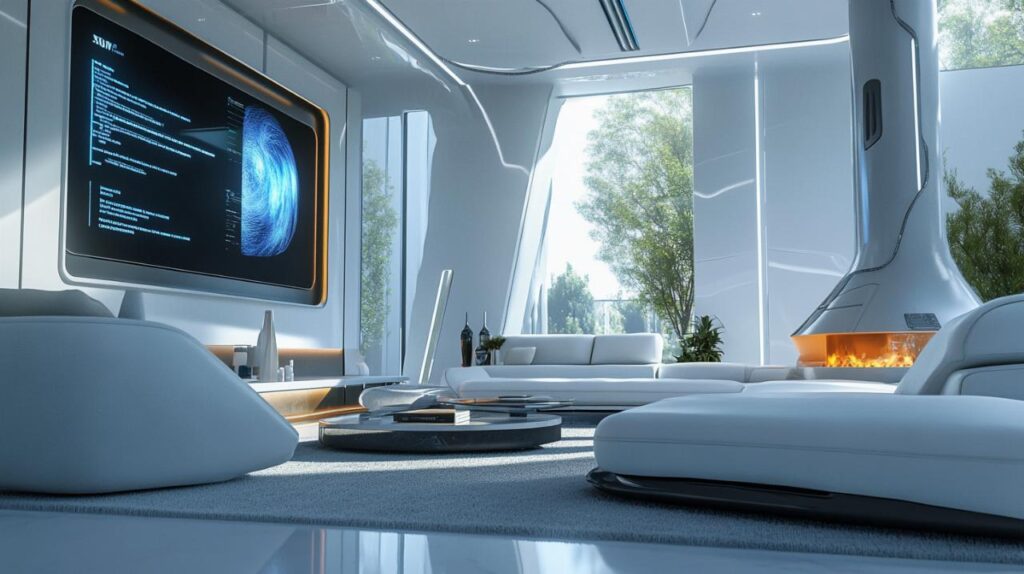
The way we inhabit our homes is undergoing a remarkable shift, driven by innovations that seamlessly blend into the fabric of daily life. From adjusting the temperature with a simple voice command to monitoring who is at the front door whilst sipping tea at the office, the integration of intelligent devices is reshaping expectations of comfort, security, and efficiency. This evolution is not merely about adding gadgets but fundamentally rethinking how living spaces respond to the needs and rhythms of their occupants.
Transforming Daily Comfort and Convenience in Your Home
Modern households are embracing systems that anticipate needs rather than simply responding to commands. The essence of this transformation lies in creating environments that adapt to individual preferences, making everyday routines feel effortless. smart home technology has become integral to this vision, enabling residents to customise their surroundings in ways that were once the stuff of science fiction. The shift towards open plan layouts, paired with hidden technology, ensures that functionality does not compromise aesthetic appeal. Devices are designed to blend seamlessly into interiors, maintaining the visual harmony of a space whilst delivering sophisticated control over lighting, climate, and entertainment.
Automated climate control and lighting systems
One of the most tangible benefits of intelligent home systems is the ability to regulate temperature and illumination with minimal effort. Smart thermostats learn the patterns of occupancy and adjust heating or cooling accordingly, ensuring that energy is not wasted when rooms are unoccupied. This not only contributes to a more sustainable lifestyle but can also lead to significant reductions in electricity bills. Some sources suggest that integrating solar panels alongside these systems may reduce energy costs by as much as seventy five per cent. Lighting, too, has evolved beyond simple switches. Adaptive lighting systems adjust brightness and colour temperature throughout the day, mirroring natural rhythms to support wellbeing and productivity. Motorised window shades complement these systems by optimising natural light and regulating indoor temperatures, reducing reliance on artificial heating and cooling. The result is a living space that feels attuned to the passage of time, creating an atmosphere that is both comfortable and energy efficient.
Voice-activated assistants streamlining household tasks
The rise of voice-controlled systems has fundamentally altered the way people interact with their homes. Devices such as Alexa and Google Home serve as central hubs, enabling residents to manage everything from playing music to setting reminders without lifting a finger. In the kitchen, integrated smart appliances respond to voice commands, allowing for hands-free cooking and meal planning. This convenience extends beyond individual tasks, as automation can orchestrate complex routines. A single command might dim the lights, lower the blinds, and adjust the thermostat, creating the perfect environment for an evening at home. The appeal of these systems lies not in their novelty but in their ability to simplify daily life, freeing up time and mental energy for more meaningful pursuits. For families, remote monitoring capabilities add an extra layer of reassurance, allowing parents to check in on children or elderly relatives from anywhere in the world.
Enhancing home security through intelligent technology
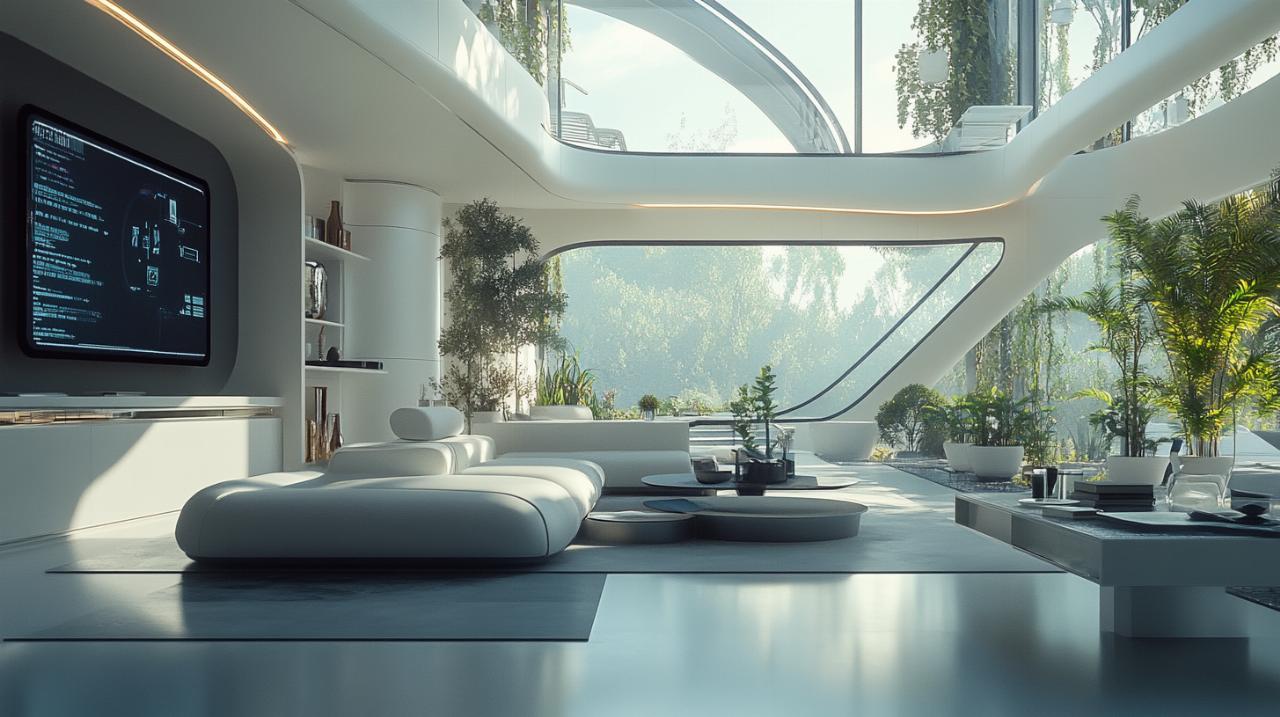
Security has always been a fundamental concern for homeowners, and modern technology offers unprecedented levels of control and awareness. Traditional locks and alarms are being supplemented, or in some cases replaced, by interconnected systems that provide real-time information and remote access. The integration of artificial intelligence into security solutions means that these systems can learn to distinguish between routine activity and potential threats, reducing false alarms and increasing peace of mind. Air quality monitors and water leak sensors further contribute to a sense of safety, alerting residents to potential hazards before they escalate into costly problems. The emphasis is on creating resilient homes that are not only secure from intruders but also safeguarded against environmental risks.
Smart locks and video doorbell integration
The advent of smart locks has eliminated the need for fumbling with keys, offering instead the convenience of keyless entry via smartphone or numeric code. These devices can be programmed to grant temporary access to guests or service providers, ensuring that security is maintained without sacrificing convenience. Video doorbells have become equally indispensable, allowing residents to see and communicate with visitors remotely. Whether answering the door from the office or verifying a delivery whilst upstairs, these systems provide a level of connectivity that traditional peepholes simply cannot match. The integration of these devices into broader home automation systems means that unlocking the door can trigger a sequence of actions, such as turning on lights or disarming an alarm, creating a seamless experience from the moment one arrives home.
Remote Monitoring and Alert Systems for Peace of Mind
The ability to monitor a property remotely has become a cornerstone of modern home security. Cameras and sensors can be accessed via smartphone apps, providing live feeds and instant notifications if unusual activity is detected. This capability is particularly valuable for those who travel frequently or own multiple properties, as it offers reassurance that all is well even when physically distant. Advanced systems utilise artificial intelligence to analyse footage and distinguish between benign events, such as a pet moving through a room, and genuine security concerns. This reduces the likelihood of unnecessary alerts and ensures that attention is focused where it is truly needed. Beyond security, these systems contribute to overall wellness by monitoring environmental factors such as air quality, alerting residents to issues that could affect health or comfort. The combination of proactive monitoring and intelligent alerts creates a living environment that feels both safe and responsive.
The transformation of living spaces through intelligent technology is not without its challenges. Concerns around data privacy persist, as the increasing connectivity of devices raises questions about who has access to personal information and how it is used. Rapid advancements in technology also mean that devices can become outdated quickly, prompting considerations around longevity and tech obsolescence. Despite these hurdles, the benefits of convenience, energy efficiency, and enhanced security continue to drive adoption. As property developers increasingly incorporate these systems into new builds, future-ready living is becoming the standard rather than the exception. The vision of a home that anticipates needs, conserves resources, and provides unwavering security is no longer aspirational but achievable, marking a new chapter in residential design and daily life.