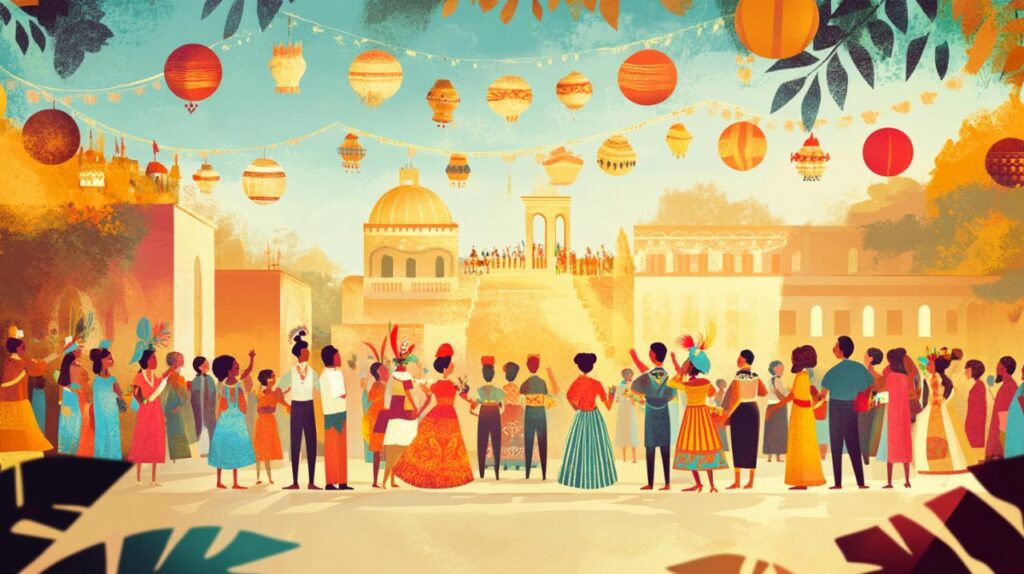
In an age where traditions can easily slip away beneath the weight of modernity, cultural events stand as vital guardians of the past. These gatherings serve not merely as entertainment but as living repositories of heritage, offering communities a chance to reconnect with the stories, customs, and artistry that have shaped their collective identity. By creating spaces where history meets the present, such occasions play a crucial role in ensuring that the cultural fabric remains intact and vibrant for future generations.
How cultural festivals safeguard traditional practices
Cultural festivals provide a dynamic platform for communities to celebrate and preserve the practices that define their unique character. From the vibrant displays of regional cuisine to the meticulous demonstrations of traditional crafts, these events transform abstract heritage into tangible experiences. Artisans showcasing pottery and weaving techniques at dedicated workshops allow visitors to witness firsthand the skill and patience required to master these age-old disciplines. Similarly, festivals dedicated to regional food, such as those honouring Creole and Cajun culinary traditions, reinforce the importance of flavours and recipes that have been passed down through countless generations. The Albuquerque International Balloon Fiesta, for instance, integrates local artistry through culturally symbolic balloon designs, turning the sky into a canvas that tells the story of a region's history and values.
Reviving ancestral customs through annual celebrations
Annual celebrations act as powerful catalysts for reviving customs that might otherwise fade into obscurity. The Inti Raymi festival in Peru exemplifies this phenomenon, as it brings together thousands of participants to honour Incan traditions and educate attendees about historical customs that date back centuries. Such events are not mere reenactments; they are immersive experiences that allow participants to engage with rituals, music, and dance in ways that textbooks simply cannot replicate. By embedding these practices within a cultural events calendar, communities ensure that there is a regular, anticipated moment each year when ancestral knowledge is celebrated and reinforced. This cyclical approach creates a rhythm that supports the continuity of traditions, making heritage an active, lived experience rather than a relic confined to museums.
The Impact of Folk Festivals on Intergenerational Knowledge Transfer
One of the most profound contributions of cultural festivals lies in their ability to facilitate the transfer of knowledge between generations. Educational workshops, storytelling sessions, and live performances serve as informal classrooms where elders share narratives, techniques, and values with younger members of the community. Research from the University of California has revealed a notable increase of around thirty per cent in heritage activity participation within communities that host annual cultural festivals. This statistic underscores the effectiveness of these events in engaging youth and fostering a sense of pride in local customs. When children and teenagers witness the dedication required to preserve traditional crafts or hear firsthand accounts of historical events, they develop a deeper appreciation for their roots. This organic transfer of knowledge helps to bridge the gap between the old and the new, ensuring that cultural identity remains robust and relevant.
Community cohesion and identity through heritage events
Beyond the preservation of specific practices, cultural events play an essential role in strengthening the social fabric of communities. They offer a shared space where individuals from diverse backgrounds can come together to celebrate common values and histories. This collective participation fosters a sense of belonging that transcends individual differences, reinforcing the idea that heritage is a communal treasure rather than a private possession. The National Endowment for the Arts has documented how participation in cultural events enhances community engagement and promotes a feeling of connection among attendees. Such gatherings create opportunities for dialogue, collaboration, and mutual respect, all of which are vital for maintaining social cohesion in an increasingly fragmented world.
Building social bonds through shared cultural experiences
Shared cultural experiences serve as a powerful adhesive that binds communities together. When neighbours gather to enjoy traditional music, sample regional dishes, or marvel at artisan demonstrations, they engage in a collective act of celebration that reinforces communal ties. These moments of togetherness create lasting memories and strengthen relationships, making it easier for communities to support one another in times of need. Festivals also provide a platform for local residents to express pride in their unique traditions, which in turn fosters a sense of ownership over cultural heritage. This pride translates into a willingness to invest time, energy, and resources into preservation efforts, ensuring that traditions continue to thrive. The sense of unity that emerges from these shared experiences is invaluable, as it helps to counteract the isolation and disconnection that can characterise modern life.
Strengthening collective memory in modern society
In a rapidly changing world, collective memory serves as an anchor that helps communities navigate the complexities of modern society. Cultural events play a critical role in maintaining this memory by providing regular opportunities to revisit and reflect on the stories, values, and achievements that define a community's identity. Performances, exhibits, and interactive displays educate the public about local heritage in ways that are engaging and accessible. A study published in the Journal of Cultural Heritage Management found that seventy-five per cent of participants reported feeling a stronger connection to their heritage after attending cultural festivals. This enhanced sense of connection is crucial, as it ensures that collective memory is not only preserved but also continually renewed and adapted to contemporary contexts. By integrating traditional elements into modern celebrations, communities can honour the past while remaining open to innovation and change.
However, the path to effective heritage preservation through cultural events is not without its challenges. Commercialisation poses a significant threat, as the pursuit of profit can overshadow the authentic representation of traditions. When festivals prioritise entertainment over education, there is a risk that unique cultural elements will be simplified or diluted to appeal to a broader audience. Research by Timothy and Teye has highlighted how some festivals may focus on spectacle rather than cultural significance, leading to a loss of authenticity. Additionally, increased tourism can strain local resources and infrastructure, making it difficult for communities to maintain traditional practices. The case of Venice illustrates the consequences of unsustainable tourism, where rising water levels and structural damage threaten the very fabric of the city's cultural heritage. To counteract these risks, it is essential that festivals prioritise local culture and engage stakeholders in the planning process, ensuring that the voices of the community are heard and respected.
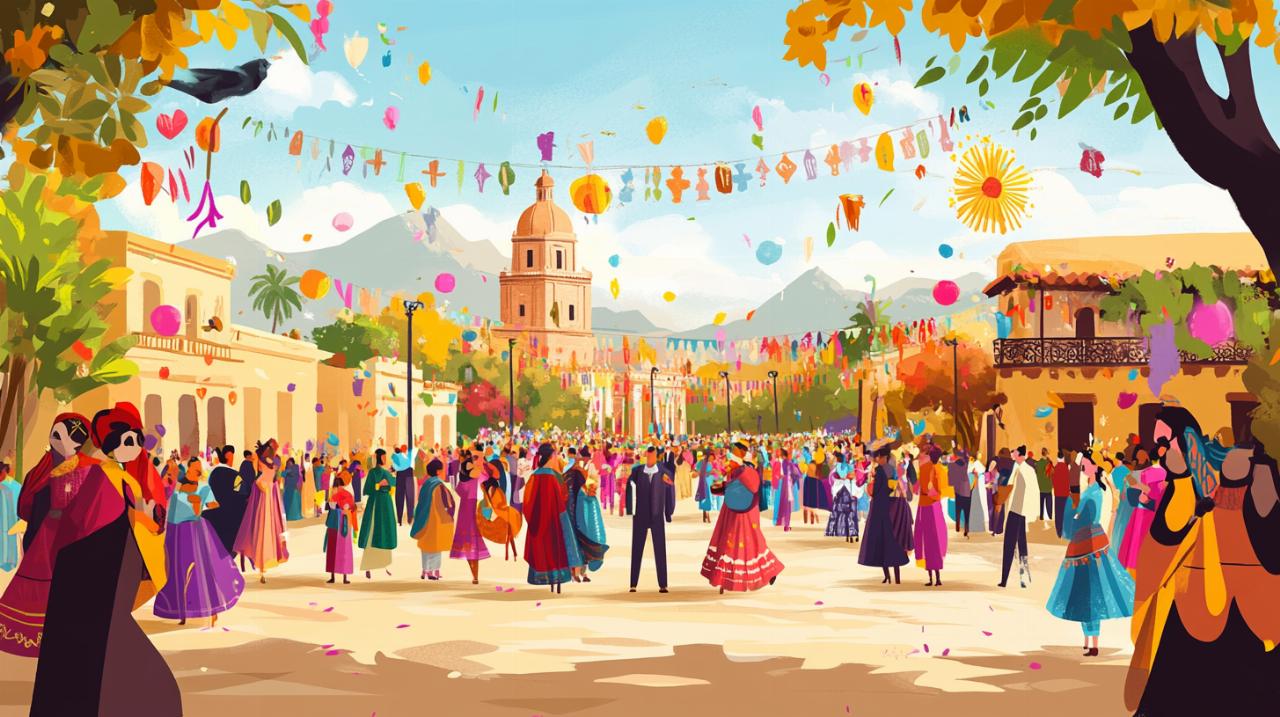
Sustainability is another critical consideration for cultural events. Large gatherings can generate substantial amounts of waste, with some festivals producing up to one thousand tons of refuse. To mitigate environmental impact, organisers can implement practices such as waste reduction, local sourcing, and the use of eco-friendly materials. Studies have shown that local sourcing can reduce greenhouse gas emissions by up to twenty-five per cent, making it a practical and effective strategy for enhancing sustainability. By adopting these measures, festivals can demonstrate a commitment to both cultural and environmental stewardship, setting an example for future events.
Integrating educational programmes into cultural festivals is another best practice that can significantly enhance heritage preservation. The Smithsonian Folklife Festival, for instance, successfully showcases traditional crafts and performances, allowing participants to learn directly from artisans. This hands-on approach not only enriches the visitor experience but also raises awareness about the importance of preservation. Community involvement is equally vital, as it ensures that events reflect the genuine values and traditions of the people they aim to celebrate. Targeted outreach, workshops, volunteer opportunities, and local partnerships can all contribute to a more inclusive and representative festival. The National Endowment for the Arts has found that community-driven events enhance local pride and cultural identity, underscoring the value of genuine engagement.
Innovation also has a role to play in the future of cultural events. Integrating technology such as augmented reality can provide visitors with immersive experiences that deepen their understanding of heritage. Collaborations with local artisans and creative professionals can introduce fresh perspectives while maintaining respect for tradition. These innovative approaches can help to attract younger audiences and ensure that cultural events remain dynamic and relevant.
Securing the necessary resources for cultural events requires strategic planning and collaboration. Funding sources such as grants and sponsorships can provide essential financial support, while partnerships with local governments and non-profit organisations can offer logistical assistance and community expertise. Local governments, in particular, can play a pivotal role by stimulating tourism and supporting local businesses, thereby creating a sustainable economic model for heritage preservation. Non-profits bring valuable experience in community engagement and can help to ensure that events are both inclusive and impactful.
Practical tips for organisers include engaging local communities from the outset, securing diverse partnerships, creating robust educational programmes, incorporating traditional elements thoughtfully, and implementing sustainable practices throughout the planning and execution phases. The National Trust for Historic Preservation emphasises the importance of community engagement and education for successful heritage initiatives, highlighting that these elements are foundational to long-term success.
Innovative projects such as the Journeys initiative demonstrate the potential for cultural events to promote an inclusive society. This project, which spanned five countries, aimed to use cultural heritage as a learning resource for both adults and children. Through study visits, workshops, and the development of a digital application mapping cultural events and spaces related to diasporic communities, the initiative reached three hundred participants and garnered overwhelmingly positive feedback. Seventy-five per cent of participants rated the project's impact as great, while the remaining twenty-five per cent considered it immense. Such initiatives underscore the transformative power of cultural events when they are designed with inclusivity, education, and community engagement at their core.
Ultimately, cultural events serve as a bridge between the past and the present, offering communities a means to celebrate their heritage while adapting to the demands of contemporary life. By prioritising authenticity, sustainability, and education, these gatherings can ensure that traditions remain vibrant and relevant for generations to come. The collective effort to preserve cultural identity through festivals and celebrations is a testament to the enduring value of shared heritage and the power of community to safeguard what matters most.