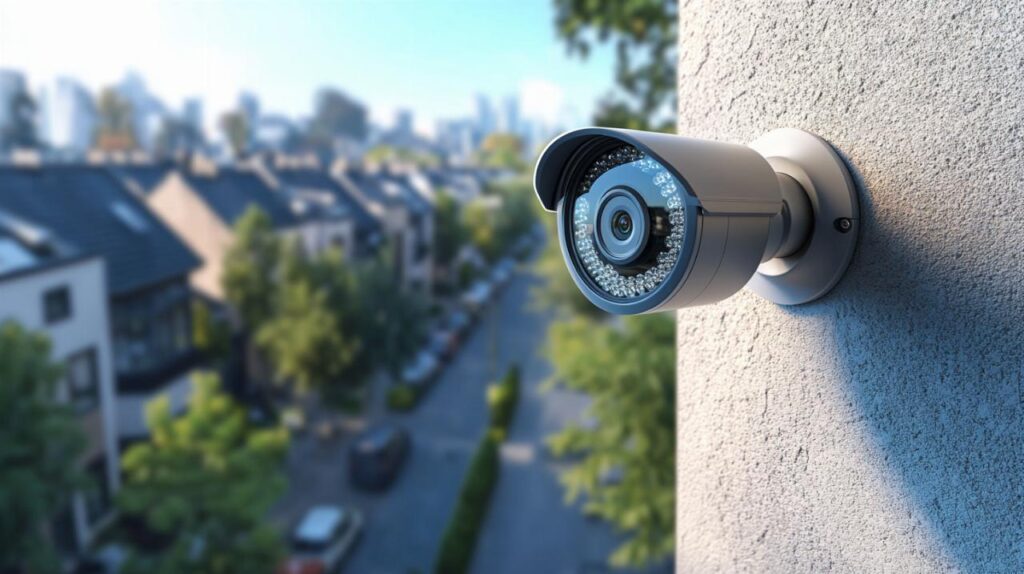
Protecting your property has never been more crucial, and modern technology offers homeowners an impressive array of options to safeguard their personal spaces. As criminal activity continues to evolve, so too must the measures we take to secure our homes and loved ones. The decision between different surveillance technologies represents a significant investment in both peace of mind and tangible protection, making it essential to understand the distinct characteristics of each system before making a commitment. The landscape of home security has transformed dramatically in recent years, with innovations that cater to diverse property sizes, budgets, and technical preferences.
Understanding the Fundamentals of CCTV Surveillance Technology
The Critical Role of Video Surveillance in Contemporary Home Protection
Video surveillance has emerged as an indispensable element of comprehensive property protection strategies across the United Kingdom. The presence of well-positioned cameras serves not only as a powerful deterrent to potential intruders but also provides invaluable evidence should an incident occur. For both residential flats and detached houses, these systems deliver round-the-clock vigilance that no human observer could sustain. The psychological impact of visible security measures cannot be overstated, as research consistently demonstrates that properties equipped with surveillance technology experience significantly fewer attempted break-ins. Furthermore, many insurance providers recognise this enhanced protection by offering reduced premiums to policyholders who install quality monitoring equipment, creating a financial incentive that complements the security benefits. The Data Protection Act 2018 and GDPR compliance requirements ensure that whilst you protect your property, you also respect the privacy rights of neighbours and passersby, creating a balanced approach to personal security.
Key components and features that define modern security camera systems
Contemporary surveillance solutions incorporate sophisticated features that extend far beyond simple recording capabilities. Smart detection technology enables cameras to distinguish between genuine threats and harmless movements such as passing animals or windblown foliage, dramatically reducing false alarms and unnecessary notifications. High-definition recording ensures that captured footage provides clear, usable images that can identify faces, vehicle registration plates, and other critical details. Motion detection capabilities allow systems to conserve storage space by recording only when activity occurs, whilst continuous monitoring options suit properties requiring constant surveillance. Night vision functionality transforms darkness into clarity, ensuring protection remains consistent regardless of lighting conditions. Local recording options provide autonomy from internet connectivity, storing footage directly on the premises, whilst cloud-based alternatives offer remote access and backup security. The integration of these components creates comprehensive protection that adapts to varying circumstances and threats throughout each twenty-four-hour period.
Wired versus Wireless CCTV Systems: Technical Specifications and Performance Analysis
Installation Requirements and Infrastructure Considerations for Both Technologies
The installation process represents one of the most significant distinctions between these two technological approaches. Wired NVR systems demand professional installation involving cable routing throughout the property, which typically requires drilling through walls and careful planning of camera positions. This infrastructure creates permanent connections that deliver power and transmit data simultaneously through dedicated cabling. The installation costs for such systems range from six hundred to three thousand five hundred pounds depending on property dimensions and complexity, reflecting the labour-intensive nature of the work. Professional installers ensure optimal camera placement whilst minimising visible cabling that might compromise aesthetic appeal. Conversely, wireless cameras offer remarkable flexibility with their wire-free installation approach, eliminating the need for extensive drilling or permanent modifications to property structures. This characteristic makes them particularly attractive to renters who cannot make permanent alterations to their accommodation. The installation costs for wireless alternatives span from three hundred to two thousand five hundred pounds, representing a more economical option for many households. Solar-powered variants further enhance this flexibility by eliminating even the need for mains electricity connections, whilst MaxRanger technology extends operational range beyond traditional wireless limitations.
Comparative Assessment of Image Quality, Reliability and Internet Connectivity Options
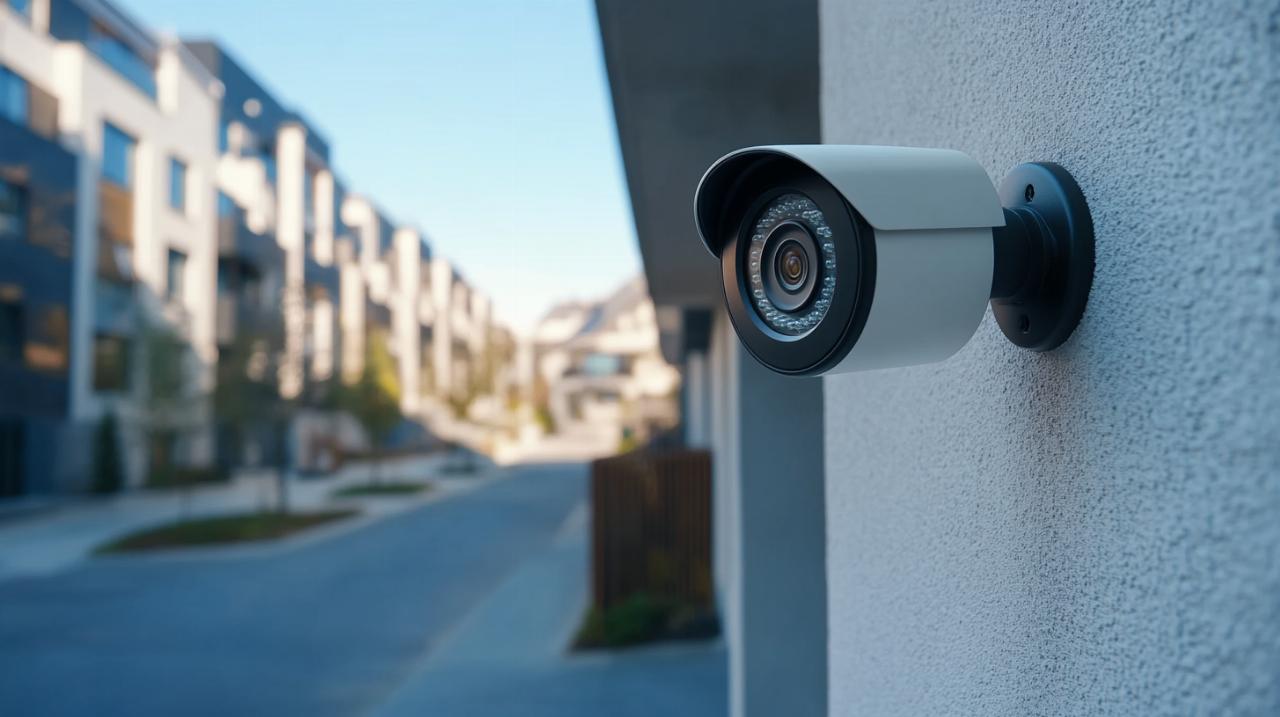
Signal reliability fundamentally differentiates these technologies in practical application. Wired systems provide exceptionally stable connections immune to the interference that occasionally plagues wireless alternatives, ensuring consistent performance regardless of environmental factors. This dependability proves particularly valuable for larger properties and commercial establishments requiring uninterrupted surveillance across extensive areas. The dedicated cable connection guarantees higher quality footage with minimal compression or degradation, maintaining clarity essential for identification purposes. These systems typically demonstrate impressive longevity, functioning reliably for eight to twelve years before requiring replacement. Wireless cameras connect via Wi-Fi networks, introducing dependence on signal strength that varies according to property construction materials, distance from routers, and competing network traffic. Whilst modern wireless technology has improved dramatically, potential interference remains a consideration, particularly in areas with numerous competing signals. Battery maintenance requirements add an ongoing responsibility absent from wired alternatives, though solar-powered options significantly mitigate this concern. The operational lifespan of wireless systems generally spans five to eight years, somewhat shorter than their wired counterparts. However, powered Wi-Fi systems bridge this gap by combining wireless data transmission with mains electrical connection, eliminating battery concerns whilst maintaining installation simplicity.
Selecting the Optimal CCTV Solution for Your Property
Essential purchasing criteria: dome cameras, night vision capabilities and solar-powered alternatives
Identifying the appropriate system demands careful consideration of specific property characteristics and security requirements. Dome cameras offer discreet protection with their compact design, proving particularly effective in indoor environments and areas where aesthetic concerns influence equipment selection. Night vision capabilities transform into essential features for properties with poorly lit perimeters or rural locations lacking ambient street lighting. Solar-powered alternatives present compelling advantages for outbuildings, remote areas, and properties where electrical infrastructure proves challenging or expensive to extend. The MaxRanger4K camera exemplifies premium wireless technology, delivering exceptional image quality with extended range capabilities that overcome traditional wireless limitations. For indoor applications, dedicated interior cameras provide focused monitoring of entry points and valuable possessions. The flexibility of wireless systems suits smaller properties and rental accommodation perfectly, whilst wired solutions excel in larger homes and business premises requiring comprehensive coverage across multiple zones. Hybrid systems cleverly combine both technologies, utilising wired infrastructure for critical areas whilst supplementing with wireless cameras in locations where cable installation proves impractical.
Integration with Alarm Systems, Monitoring Services and Privacy Protection Measures
Comprehensive property protection extends beyond surveillance alone, integrating cameras with broader security infrastructure. Modern systems connect seamlessly with security alarms, access control mechanisms, and intercom installations, creating layered defence that addresses multiple threat vectors simultaneously. Smart home security platforms unite these elements under unified control, enabling homeowners to manage entire protection ecosystems through single interfaces. Twenty-four-hour monitoring services provide professional oversight, responding to detected incidents even when property owners are absent or unable to react personally. The integration of DVR and NVR systems with wireless cameras and lighting solutions creates environments that actively discourage criminal activity through comprehensive coverage and rapid response capabilities. Privacy protection measures ensure compliance with regulatory requirements whilst maintaining effective surveillance. Free consultation services help property owners navigate these complex decisions, assessing individual circumstances to recommend tailored solutions. Professional installation guarantees optimal placement and configuration, maximising system effectiveness whilst minimising aesthetic impact. Requesting free quotes enables accurate budgeting without obligation, allowing informed financial planning for this significant security investment. The combination of advanced technology, professional expertise, and legal compliance creates robust protection that respects both security needs and privacy rights, delivering peace of mind that transcends mere equipment installation.