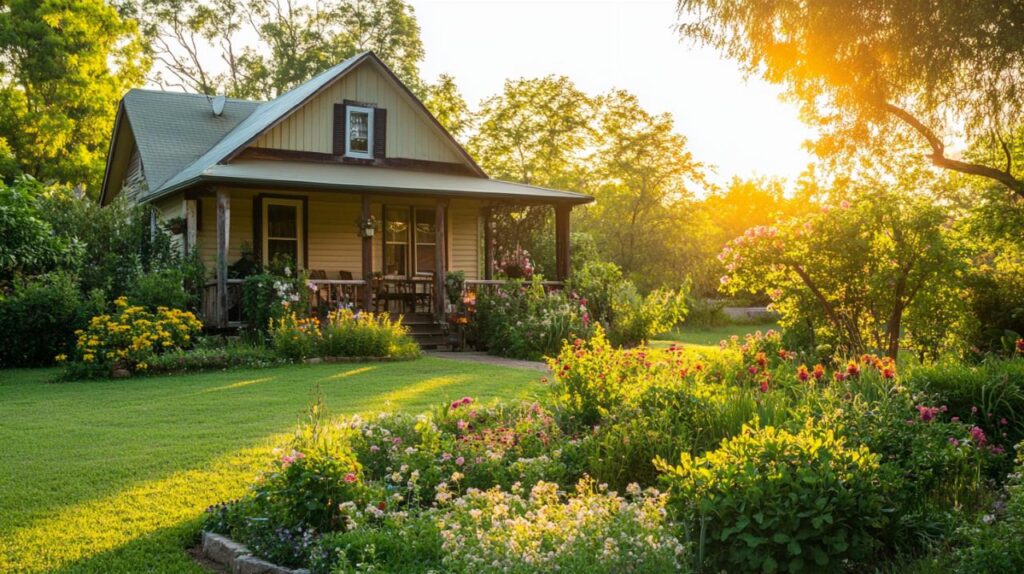
The evolution of accommodation interiors in France reflects a fascinating blend of tradition and contemporary design thinking. From charming rural retreats to elegantly appointed guest rooms, the French hospitality sector has embraced a design philosophy that honours regional character while meeting the expectations of modern travellers. This transformation is not merely aesthetic but speaks to a deeper understanding of how interior spaces influence the quality of a guest's experience, drawing inspiration from global trends whilst maintaining the unique essence of French style.
The French Accommodation Landscape: Understanding Gîtes and Chambres d'Hôtes
France offers a rich tapestry of accommodation options, each with its own distinct character and appeal. The terms gîte and chambre d'hôtes are frequently encountered by visitors, yet they represent quite different experiences. A gîte typically refers to a self-contained cottage or house, often situated in rural or semi-rural settings, providing guests with independence and privacy. These properties are usually fully furnished and equipped with kitchen facilities, allowing visitors to immerse themselves in the local environment at their own pace. In contrast, a chambre d'hôtes is closer to a bed and breakfast, where guests occupy rooms within the host's home or a separate building on the property. This arrangement fosters a more personal connection with the owners, who often share insights into regional culture, dining recommendations, and hidden attractions.
Distinguishing Between Traditional Gîtes and Contemporary Chambres d'Hôtes
The distinction between these two forms of lodging extends beyond their physical layout. Traditional gîtes have long been associated with rustic charm, featuring exposed stone walls, wooden beams, and furnishings that echo the architectural heritage of their regions. However, contemporary gîtes are increasingly incorporating modern comforts and design principles, blending historical elements with sleek finishes and up-to-date amenities. Chambres d'hôtes, meanwhile, have evolved from simple guest rooms into thoughtfully curated spaces that reflect the personality and taste of their hosts. Many owners now invest in high-quality linens, bespoke furniture, and carefully chosen decorative accents to create an atmosphere that is both welcoming and stylish. This shift mirrors broader trends in the hospitality industry, where the emphasis is on creating memorable, Instagram-worthy interiors that resonate with discerning travellers.
Regional character: how loire, provence, and alpine locations influence interior design choices
The diverse geography of France ensures that accommodation interiors vary significantly depending on location. In the Loire Valley, properties often draw inspiration from the grandeur of the region's châteaux, incorporating elegant furnishings, soft pastel palettes, and classical French motifs. The result is an interior that feels both regal and inviting, perfectly suited to a region celebrated for its cultural heritage. Provence, by contrast, leans towards sun-drenched aesthetics characterised by terracotta tiles, lavender hues, and rustic wooden furniture. The interiors here are designed to complement the outdoor lifestyle and Mediterranean climate, with open spaces and natural materials taking centre stage. In the Alpine regions, accommodation design prioritises warmth and cosiness, utilising rich woods, stone fireplaces, and plush textiles to create a refuge from the mountain chill. These regional distinctions ensure that each stay offers a unique sense of place, firmly rooted in the local landscape and traditions.
Design principles transforming modern french holiday rentals
Modern French holiday rentals are being shaped by a set of design principles that prioritise both aesthetics and functionality. Owners and designers are increasingly aware that a well-appointed interior can significantly enhance the guest experience, leading to positive reviews and repeat bookings. This awareness has driven a movement towards interiors that balance timeless elegance with practical, everyday comforts. The influence of international hospitality standards is evident, yet French accommodations retain a distinctive flair that sets them apart from generic hotel chains or standardised rental properties.
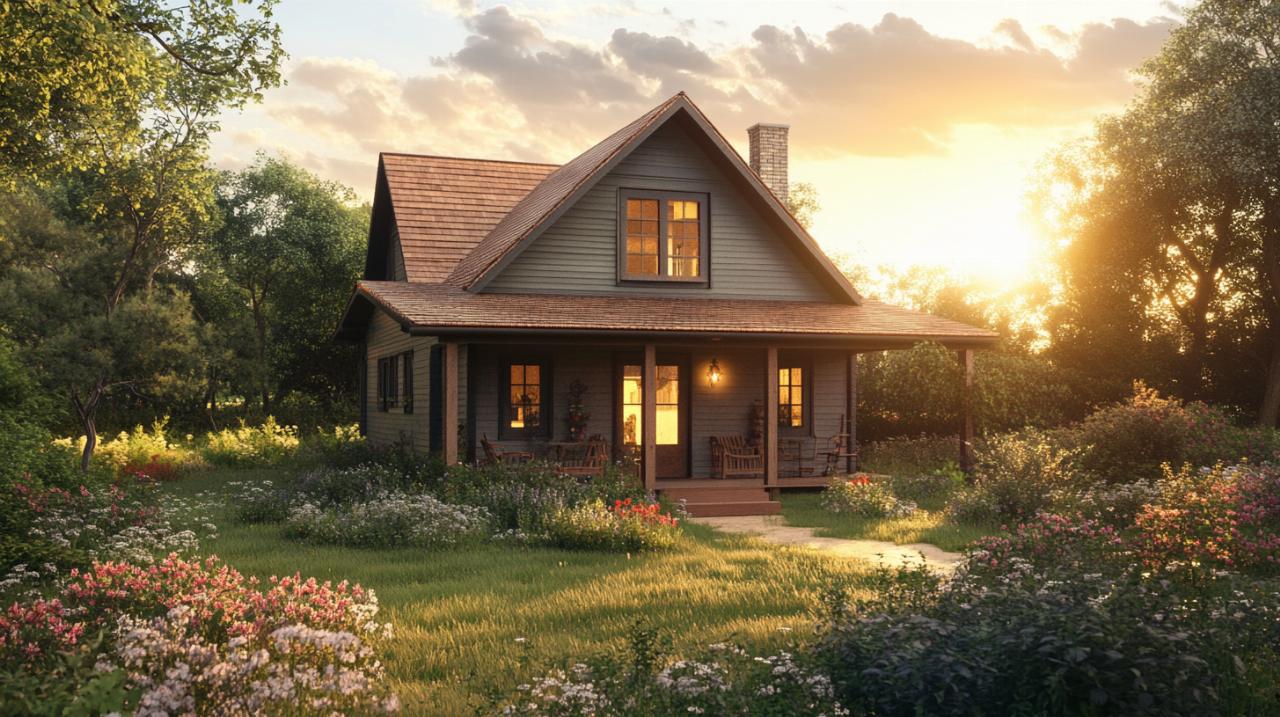
Essential furnishings and amenities that define quality accommodation interiors
At the heart of any successful guest accommodation is a carefully considered selection of furnishings and amenities. Quality mattresses, fine linens, and thoughtfully designed lighting are no longer optional extras but fundamental requirements. Guests expect interiors that feel both luxurious and liveable, with spaces that are easy to navigate and uncluttered. Storage solutions, such as built-in wardrobes and discreet shelving, help maintain a sense of order, whilst statement pieces like elegant armchairs, antique mirrors, or bespoke artwork add character and visual interest. Kitchens in self-catering properties are now equipped to a much higher standard, with modern appliances and ample workspace allowing guests to prepare meals with ease. Bathrooms, too, have seen significant upgrades, with walk-in showers, heated towel rails, and premium toiletries becoming commonplace. These enhancements reflect a broader trend towards accommodation that rivals the comfort of home, if not surpassing it.
The Role of Hosts and Owners in Curating Authentic Yet Comfortable Guest Experiences
The role of the host or owner has evolved considerably in recent years. No longer simply providing a roof and a bed, today's hosts are curators of experience, shaping every detail of the interior to reflect both their personal taste and the expectations of their clientele. This involves a delicate balance between authenticity and modernity. Many hosts are keen to preserve original architectural features and local craftsmanship, yet they also recognise the need for contemporary amenities such as high-speed internet, smart heating controls, and well-equipped entertainment systems. The most successful accommodations are those where this balance is struck seamlessly, allowing guests to enjoy the charm of a historic building or rural setting without sacrificing the conveniences of modern life. Hosts also play a crucial role in hospitality, offering personalised recommendations and local knowledge that enrich the stay. This human touch, combined with a thoughtfully designed interior, creates a holistic experience that resonates long after the visit has ended.
Selecting the Ideal French Rental: Matching Décor and Design to Your Holiday Needs
Choosing the right accommodation involves more than simply finding a property in the desired location. The interior design and overall atmosphere of a rental can profoundly influence the quality of a holiday, making it essential to consider how a space aligns with your personal preferences and travel objectives. Whether seeking a romantic retreat, a family-friendly cottage, or a base for outdoor adventures, the décor and layout of the accommodation should complement the intended activities and mood of the trip.
Evaluating Establishments Based on Interior Style, Activities, and Local Attractions
When evaluating potential rentals, it is helpful to consider how the interior style reflects the local culture and landscape. A property in Provence with a rustic, sun-soaked aesthetic will naturally lend itself to leisurely afternoons exploring markets and vineyards, whilst a sleek Alpine chalet with a focus on warmth and comfort is ideal for guests planning to spend their days on the slopes. Beyond aesthetics, practical considerations such as the layout of living spaces, the presence of outdoor areas, and the availability of amenities like fireplaces or gardens can significantly impact the overall experience. Proximity to local attractions and activities is another key factor. A well-designed interior can enhance the pleasure of returning to the accommodation after a day of sightseeing or adventure, providing a welcoming retreat that feels like a true home away from home. Reading reviews and examining detailed photographs can offer valuable insights into whether a property's design and amenities align with your expectations.
Hospitality standards and public regulations shaping contemporary accommodation design
The design and operation of French holiday rentals are also influenced by a framework of hospitality standards and public regulations. These rules are intended to ensure that accommodations receiving the public meet certain criteria for safety, accessibility, and quality. Compliance with such regulations often drives improvements in interior design, as owners invest in better furnishings, upgraded facilities, and more thoughtful layouts to achieve higher ratings and attract a discerning clientele. In many cases, these standards have encouraged a general raising of the bar across the industry, with even smaller establishments striving to offer interiors that are both beautiful and functional. The result is a competitive market where design excellence is increasingly recognised as a key differentiator, benefiting guests who can now enjoy a wider array of high-quality, stylishly appointed accommodations across the country.