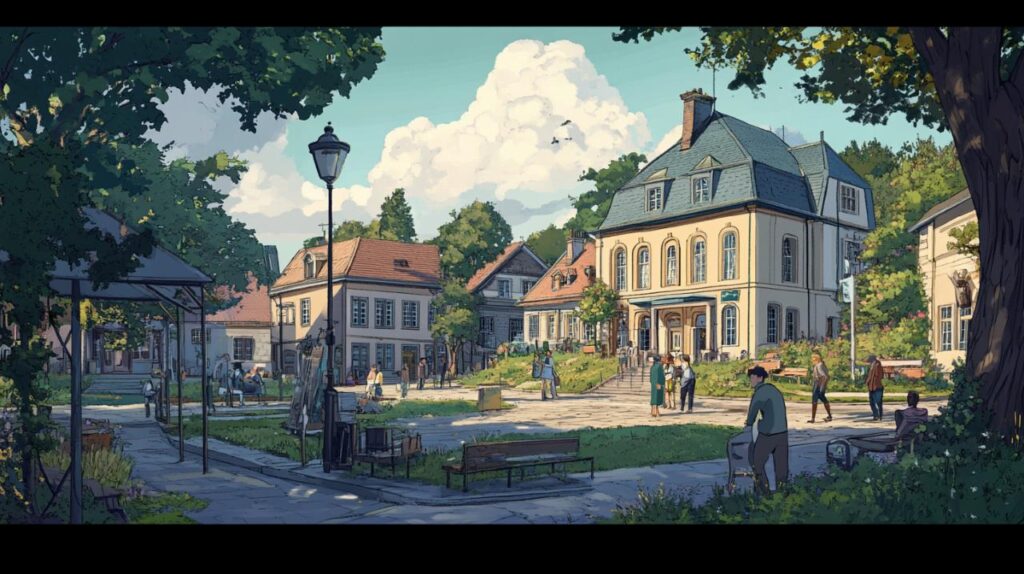
In the heart of Longwy, a town that has weathered the storms of industrial decline and economic transformation, a remarkable organisation has quietly emerged as a lifeline for those grappling with the invisible burdens of mental distress. This association offers more than clinical intervention; it provides a sanctuary where dignity, creativity, and community converge to support individuals navigating the complexities of psychic suffering. Through carefully designed workshops, dedicated professionals, and compassionate volunteers, the initiative has become an integral part of the town's social fabric, addressing needs that extend far beyond traditional healthcare frameworks.
The Origins and Mission of MAPH-Psy Espoir 54 in Longwy's Shifting Landscape
From industrial heartland to community support: understanding longwy's transformation
Longwy's history is etched into the landscape of northeastern France, where towering furnaces and steel mills once defined the rhythm of daily existence. For generations, the town thrived as an industrial heartland, its prosperity tethered to the fortunes of heavy manufacturing. Yet the twilight of the steel era brought profound challenges, not merely economic but deeply social and psychological. As factories shuttered and employment opportunities dwindled, the community faced a crisis that extended into the realm of mental health, with many residents finding themselves adrift in a world transformed almost overnight.
It is within this context that the association known as MAPH-Psy Espoir 54 took root. Recognising that conventional psychiatric services alone could not adequately address the nuanced needs of those experiencing psychological difficulties, local advocates and healthcare professionals collaborated to establish a place where individuals could find both practical support and a sense of belonging. The organisation's very name speaks to its dual mission: combining expertise in mental health with a vision of hope, serving as a beacon for those who might otherwise feel isolated in their struggles.
Building a Place of Hope: How the Association Emerged to Address Mental Health Needs
The foundation of this initiative rests upon a simple yet profound recognition: that recovery and rehabilitation are journeys best undertaken in the company of others who understand. Unlike institutional settings that can sometimes feel remote or clinical, the association sought to create an environment characterised by warmth and accessibility. Its founders understood that for many individuals, the path to improved mental wellbeing requires not just medical intervention but opportunities for meaningful engagement, creative expression, and social connection.
From its earliest days, the organisation positioned itself as a complement to formal psychiatric care rather than a replacement. It welcomed individuals who might be receiving treatment elsewhere, offering them a space where they could explore therapeutic activities at their own pace. This approach proved particularly valuable for those whose lives had been disrupted by psychic distress, providing them with structure and purpose whilst respecting their autonomy and lived experience. The association's emergence thus represented a shift towards a more holistic understanding of mental health support, one that acknowledges the importance of community and everyday life in the rehabilitation process.
Comprehensive services and workshops: supporting individuals through psychic suffering
Daily Ateliers and Therapeutic Activities: From Theatre to Walking Groups
The true strength of MAPH-Psy Espoir 54 lies in its diverse array of activities, each designed to address different aspects of mental wellbeing. Theatre workshops, for instance, offer participants a unique avenue for self-expression and communication. Through the exploration of character and narrative, individuals can articulate experiences and emotions that might otherwise remain unspoken, discovering new facets of their own identities in the process. These sessions are facilitated by skilled professionals who understand the delicate balance between creative freedom and therapeutic support, ensuring that the experience remains both enriching and safe.
Walking groups represent another cornerstone of the association's programming. These regular marches through the surrounding countryside serve multiple purposes: they promote physical health, provide opportunities for gentle social interaction, and reconnect participants with the natural world. For individuals whose lives may have become circumscribed by illness or difficult circumstances, these outings offer a vital reminder that there exists a world beyond the confines of their immediate struggles. The rhythm of walking together, combined with the changing seasons and landscapes, creates a shared experience that fosters camaraderie without demanding intense emotional disclosure.
Beyond theatre and walking, the association hosts a rotating schedule of workshops spanning artistic endeavours, practical skills, and recreational pursuits. Painting, music, gardening, and cooking sessions all find their place within the weekly timetable, each offering different pathways towards recovery and rehabilitation. The variety ensures that individuals can find activities that resonate with their personal interests and abilities, whilst also encouraging them to step outside their comfort zones and discover hidden talents. These ateliers are not merely diversions; they are carefully considered interventions that address cognitive, emotional, and social dimensions of mental health.
The Role of Professionals and Benevoles in Creating Safe Spaces for Rehabilitation
The success of these therapeutic activities depends heavily on the dedication of both paid professionals and volunteers who bring their time, skills, and compassion to the association. Trained psychologists, occupational therapists, and social workers provide the clinical expertise necessary to design and oversee programmes that are both effective and appropriate for participants with varying needs. Their presence ensures that activities remain grounded in evidence-based practices whilst also allowing for flexibility and responsiveness to the unique dynamics of each group.
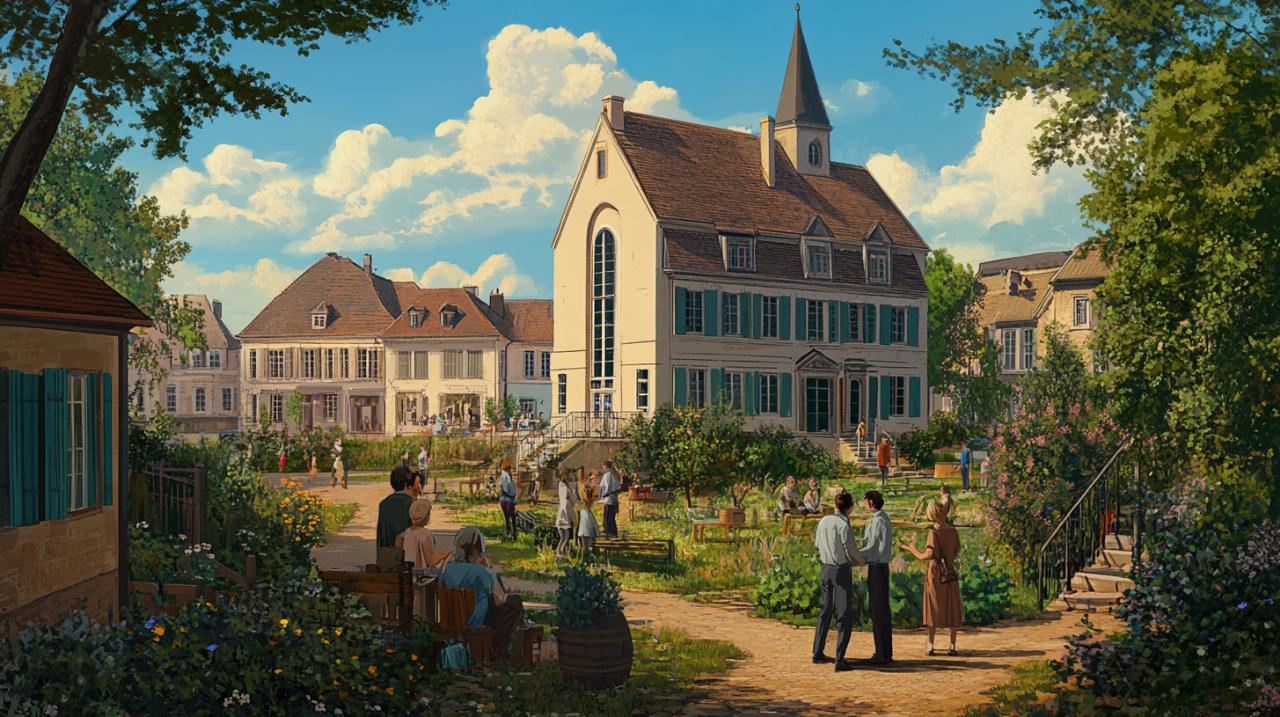
Equally crucial are the volunteers who contribute their energy and enthusiasm to the daily operations of the association. These individuals come from diverse backgrounds, united by a commitment to supporting those experiencing psychic suffering. Their involvement helps to normalise the experience of mental health challenges, demonstrating that recovery is not the exclusive domain of professionals but a collective endeavour that the wider community can support. Volunteers assist with everything from facilitating workshops to organising social events, creating an atmosphere that feels less like an institution and more like a welcoming community centre.
Together, professionals and volunteers cultivate an environment where individuals feel valued and understood. This collaborative approach helps to dismantle the stigma that often surrounds mental health difficulties, replacing judgement with empathy and isolation with connection. For many participants, the relationships they build within this space become as important as the activities themselves, providing a network of support that extends beyond the confines of scheduled sessions. The association thus functions as a living example of how compassionate care can transform lives, one interaction at a time.
Finding MAPH-Psy Espoir 54: Location, Access, and Community Integration in Longwy
Navigating to the Association: Practical Information and Google Maps Guidance
For individuals seeking the services of MAPH-Psy Espoir 54, locating the facility is a straightforward process thanks to its central position within Longwy. Modern technology has made access easier than ever, with a quick search on Google Maps providing precise directions and real-time navigation to the association's premises. This ease of access is particularly important for those who may be experiencing difficulties that make complex travel arrangements challenging, ensuring that the support offered is genuinely available to those who need it most.
The organisation maintains clear communication channels for prospective participants and their families, offering guidance on how to access services and what to expect upon arrival. This transparency helps to reduce anxiety and uncertainty, which can be significant barriers for individuals contemplating engagement with mental health support. By making practical information readily available, the association demonstrates its commitment to removing obstacles and creating pathways towards help, recognising that the journey towards wellbeing begins with that crucial first step through the door.
The Church Quarter Connection: How This Lieu Serves as a Beacon for Those in Difficult Situations
The physical location of MAPH-Psy Espoir 54 near the church quarter carries both practical and symbolic significance. Historically, religious institutions have served as focal points for community life and charitable work, and the association's proximity to this traditional centre reflects its role as a modern expression of communal care and mutual support. The area provides a familiar and accessible setting for many residents, reducing the sense of dislocation that can accompany visits to more clinical environments.
Beyond its geographical position, the association has become deeply integrated into the social fabric of Longwy. It collaborates with other local organisations, participates in community events, and works to raise awareness about mental health issues throughout the region. This integration ensures that the services provided are not perceived as separate or removed from everyday life but rather as a natural and valued component of the town's resources. For individuals in difficult situations, knowing that such a place exists within their own community can be profoundly reassuring, offering hope that support is both available and accessible.
The association's presence serves as a reminder that communities possess the capacity to respond creatively and compassionately to the challenges faced by their members. In a town that has navigated significant economic and social upheaval, MAPH-Psy Espoir 54 stands as a testament to resilience and solidarity. It embodies the principle that recovery from psychic suffering is not merely an individual endeavour but a collective responsibility, one that is best fulfilled when professionals, volunteers, and the wider community work together towards a shared vision of wellbeing and hope.