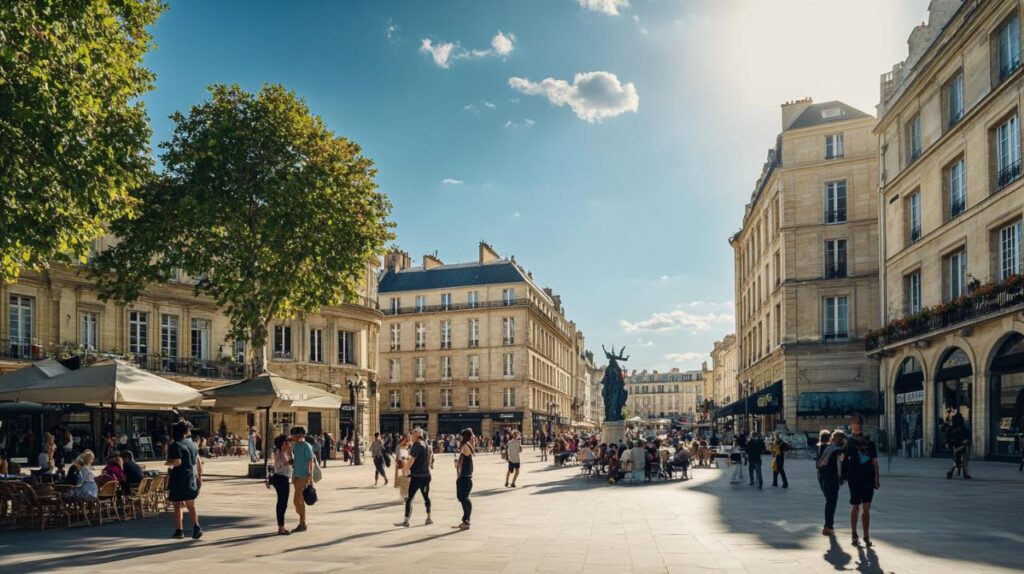
In the heart of Bordeaux, where the old city wall once stood, lies a square that has borne witness to centuries of transformation. Designed in the eighteenth century and continuously shaped by the currents of history, this space has evolved from a site of revolution to a modern gathering point for residents and visitors alike. The shopkeepers who have set up their establishments around its perimeter hold stories that mirror the broader changes sweeping through the city, offering a unique lens through which to understand Bordeaux's journey from its classical past into a contemporary urban landscape.
From Historical Heart to Modern Hub: The Evolution of Place Gambetta
The square's rich past and architectural heritage
Place Gambetta stands as a testament to the architectural ambitions of the mid-eighteenth century. Completed in 1770, the square was conceived by André Portier, who envisioned a harmonious ensemble of classical buildings that would frame a central open space. The structures surrounding the square are adorned with arcades and wrought iron balconies, their facades embellished with mascarons, small sculptural masks that gaze down upon passersby. These intricate details reflect the craftsmanship and aesthetic sensibilities of an era when urban design was as much about beauty as it was about function.
Originally known as Place Dauphine, the square underwent a change of identity in the nineteenth century when it was renamed in honour of Léon Gambetta, a prominent French politician whose legacy became intertwined with the Republic. The square's position just outside the old city wall, adjacent to the Porte Dijeaux, made it a strategic and symbolic threshold between the historic core of Bordeaux and the expanding urban fabric beyond. During the Revolution, the square took on a darker role as the site of the city's guillotine, a stark reminder of the turbulent times that reshaped France. At number 10 Place Gambetta, a milestone was placed in the late nineteenth century by Antoine Gautier, marking the city centre and serving as a reference point for travellers and residents alike.
Recent urban developments reshaping the neighbourhood
The most significant chapter in the square's recent history unfolded in 2021, when a comprehensive redevelopment project transformed Place Gambetta into a pedestrian space. The redesign introduced a garden and a pool, creating a green oasis in the midst of the Hyper Centre. The project aimed to reclaim the square from vehicular traffic and return it to the people, fostering a sense of community and leisure in a city that has increasingly prioritised walkability and public space. Plans for a fountain, though envisioned long ago, were never realised due to persistent water supply challenges, yet the new pool has become a focal point for relaxation and social interaction.
This pedestrianisation reflects a broader trend in Bordeaux, where historic squares and streets are being reimagined to meet the needs of modern urban life. The transformation has brought new energy to the area, attracting visitors who might once have passed through without pause. The square's proximity to other cultural landmarks, such as the Galerie des Beaux Arts, the Town Hall Garden, and the Jardin Public, has further cemented its status as a central node in the city's cultural and social network. The coordinates 44° 50'28.09″N,0°34'50.27″W pinpoint a location that is as much a destination as it is a crossroads.
Voices from the Shopfronts: Local Traders Share Their Stories
Long-established businesses adapting to change
The shopkeepers who have operated around Place Gambetta for decades have seen the square through its many incarnations. For them, the redevelopment in 2021 was both a challenge and an opportunity. Long-established businesses, some of which have occupied the same premises for generations, have had to adapt to the new pedestrian environment, adjusting their operations to cater to a different rhythm of foot traffic. The absence of cars has meant a quieter, more leisurely atmosphere, one that encourages browsing and lingering rather than hurried transactions.
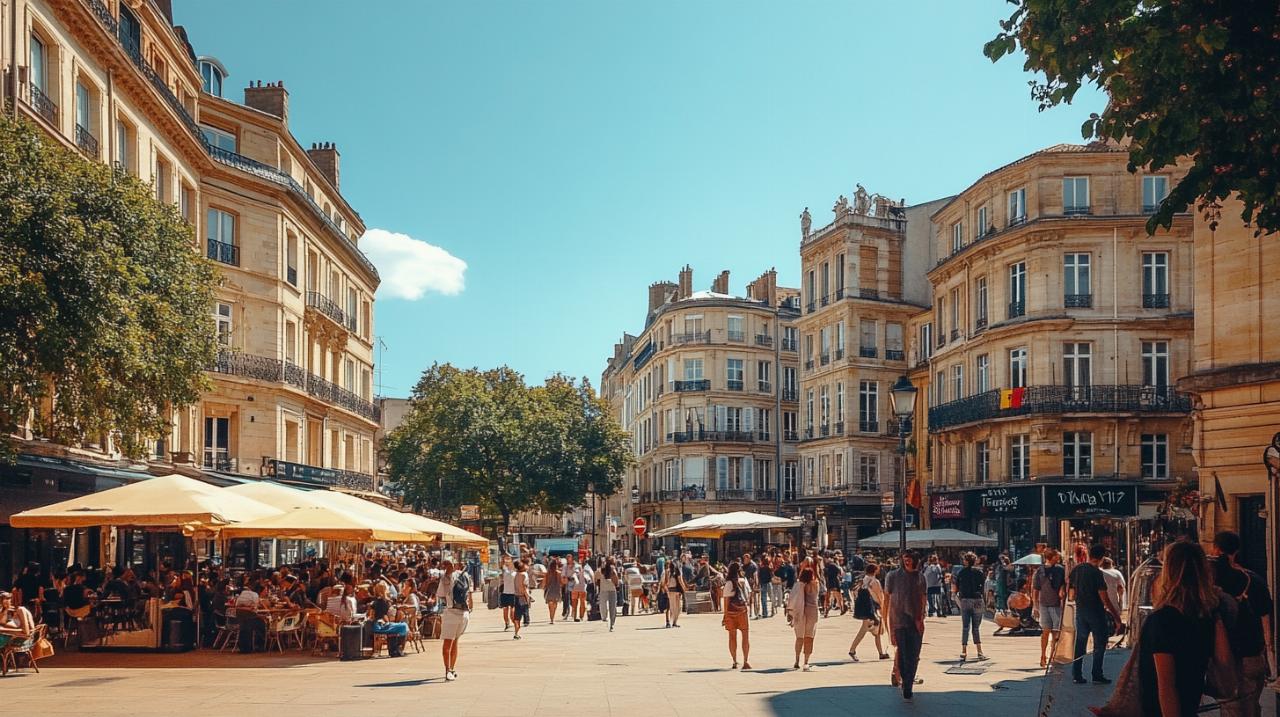
These traders speak of a time when the square was a bustling thoroughfare, when the clatter of vehicles and the urgency of commerce defined the daily pulse. The shift to a pedestrian zone has required them to rethink their relationship with customers, to embrace a slower pace that aligns with the square's new identity as a place of leisure and reflection. Some have expanded their outdoor seating, inviting patrons to enjoy a coffee or a meal beneath the arcades, whilst others have curated their window displays to appeal to a more leisurely, contemplative shopper. The mascarons above the windows seem to watch over these transitions, silent witnesses to the resilience and adaptability of those who call this square home.
New Entrepreneurs Bringing Fresh Energy to the Square
Alongside the long-standing businesses, a new wave of entrepreneurs has arrived, drawn by the square's revitalised appeal. Establishments such as La Toque Cuivrée at number 41 and the Alchimiste Café Boutique have introduced fresh concepts and contemporary offerings that complement the historic setting. These newcomers bring a different perspective, one that blends respect for the square's heritage with an eagerness to innovate and experiment. Their presence has diversified the commercial landscape, offering residents and visitors a wider array of experiences and goods.
For these new shopkeepers, the redevelopment project has been a catalyst for creativity. The pedestrianised environment allows them to engage with customers in ways that would have been difficult in a traffic-heavy setting. They speak of the square as a canvas, a space where tradition and modernity can coexist and where the architectural beauty of the eighteenth century provides a backdrop for twenty-first-century enterprise. The wrought iron balconies and classical facades are not relics to be preserved in isolation but active participants in the life of the square, framing new stories and connections.
The Future of Place Gambetta: Balancing Tradition and Progress
Upcoming projects and community expectations
As Place Gambetta settles into its new role, the community is already looking ahead to what comes next. There is a palpable sense of anticipation around potential future projects that could further enhance the square's appeal. Discussions often centre on how to build upon the success of the 2021 redevelopment, whether through additional green spaces, cultural programming, or infrastructural improvements that make the square even more accessible. The community's expectations are high, shaped by the positive response to the recent changes and a desire to see Place Gambetta continue to evolve as a vibrant public space.
Local authorities and stakeholders are keenly aware of the delicate balance that must be struck between honouring the square's rich past and meeting the demands of contemporary urban life. The challenge lies in ensuring that any future developments respect the architectural heritage and the spirit of the place whilst also addressing practical concerns such as accessibility, sustainability, and inclusivity. The voices of the shopkeepers, both old and new, will be crucial in shaping these conversations, as they bring firsthand knowledge of what works and what the square needs to thrive.
Preserving local character whilst embracing modernisation
The question of how to preserve local character whilst embracing modernisation is one that resonates deeply in Bordeaux and beyond. Place Gambetta serves as a case study in how historic squares can adapt without losing their essence. The retention of the classical architecture, the mascarons, and the wrought iron balconies ensures that the square's visual identity remains intact, whilst the introduction of pedestrian zones, gardens, and pools signals a commitment to contemporary urban values. The square's evolution is not a rejection of its past but a continuation of a long tradition of transformation that began when André Portier first laid out its design in the eighteenth century.
The shopkeepers who have witnessed this transformation play a vital role in maintaining the square's character. Their stories, their businesses, and their daily interactions with the community are the threads that weave the past and present together. They are the custodians of a living heritage, one that is not confined to buildings and monuments but is embodied in the rhythms of daily life, the exchange of goods and ideas, and the shared experience of inhabiting a space that is constantly evolving. As Bordeaux continues to grow and change, Place Gambetta stands as a reminder that the city's strength lies in its ability to honour its history whilst boldly stepping into the future.